About My St Kilda Tweed Project
This project grew from a lifelong fascination with St Kilda and a deep respect for the skill and ingenuity of its former inhabitants.
Although I live in Australia, my connection to St Kilda goes back many decades. In the 1970s I lived in the Melbourne suburb of St Kilda, which first sparked my curiosity about the island itself. Over time, that curiosity deepened into an enduring interest in its history, its people, and the material culture they left behind.
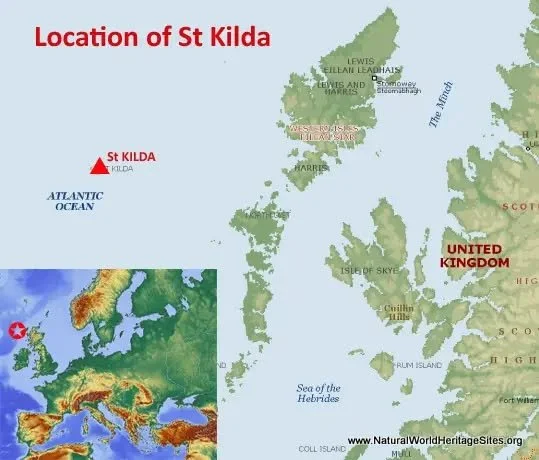
One of the most evocative surviving objects from St Kilda is its tweed. Woven by hand from local wool, it was essential to daily life on the island. Today, only a handful of original examples survive. One of the last known pieces is held by the West Highland Museum in Fort William, where it is recorded as having been woven on St Kilda around 1930.
My aim is not to reinterpret or modernise this cloth, but to understand it — and to recreate it as closely as possible. To do this, I am working with fleece from Soay and Boreray sheep, similar to those once kept on the island. The wool will be spun to historical specifications before being woven in a simple 2/2 twill structure, matching the surviving museum example.
Because access to St Kilda is extremely limited, the loom I will take must be small, portable, and robust. For this reason, I will be using an Ashford table loom of a width comparable to those historically used on the island.
In 2027, I will spend several weeks on St Kilda weaving tweed on site — reconnecting wool, loom, landscape, and history in the place where this cloth was originally made.
This website exists to share that process, to document the research behind it, and to record the return of St Kilda tweed to the island where it was born.
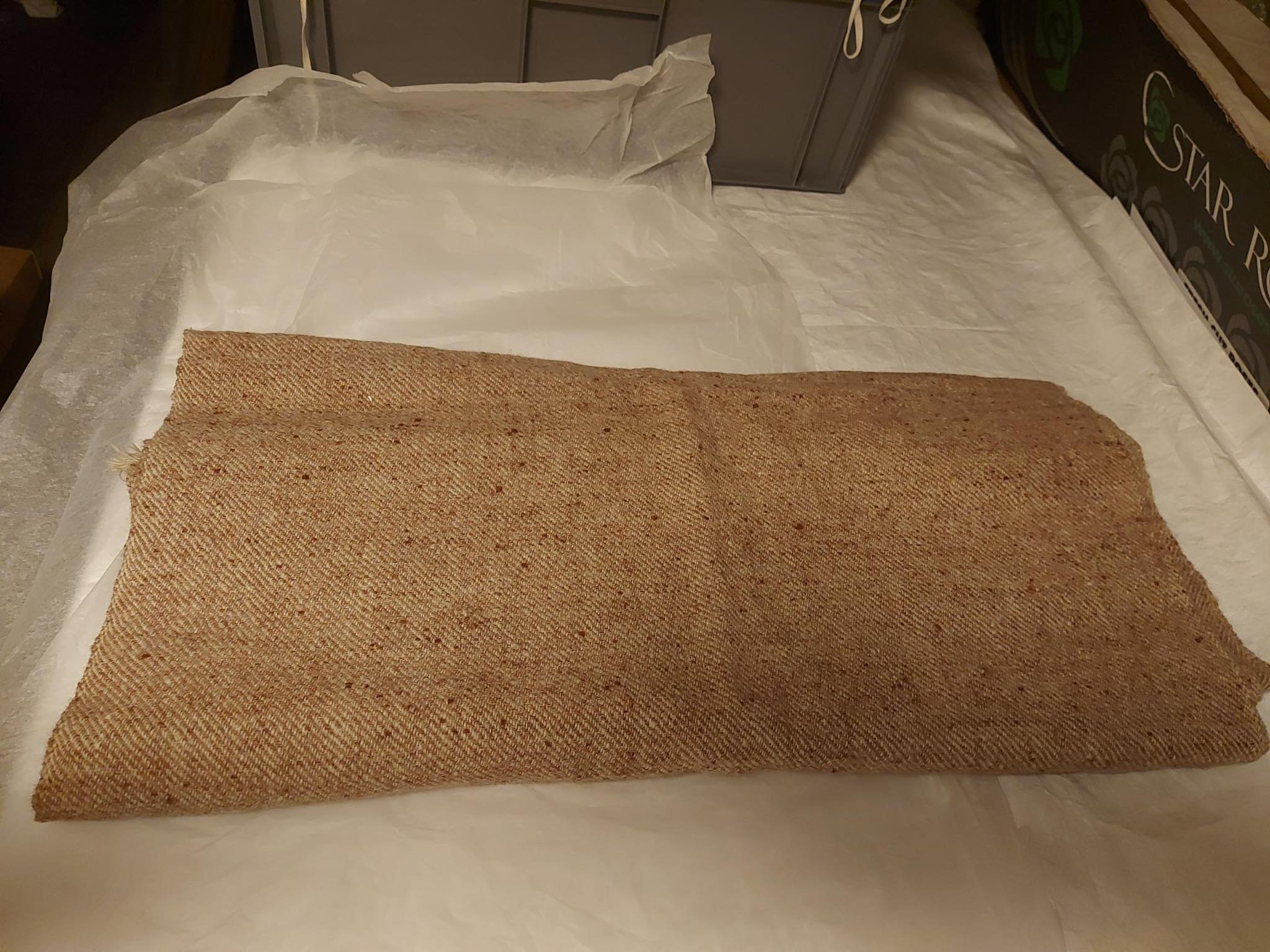
One of the last pieces of St Kilda tweed known to exist. Woven on the Island in 1930 and housed in the West Highland Museum in Fort William.
Contact us
Interested in working together? Fill out some info and we will be in touch shortly. We can’t wait to hear from you!