The Loom
Weaving on St Kilda presents unique logistical challenges. Access to the island is limited, and everything must be transported by boat.
For this reason, I will be using an Ashford 80 cm table loom, chosen for both its portability and its suitability for the width of historical St Kilda tweed. The loom folds for transport yet is capable of producing a cloth approximately 76 cm wide — matching the dimensions of the surviving museum example.
The tweed will be woven in a straight 2/2 twill, the same basic structure identified in the historic cloth. This simple weave was widely used for practical textiles and produces a strong, flexible fabric well suited to clothing and blankets.
While the loom itself is modern, the weaving process will be entirely manual. The emphasis is on working slowly and attentively, much as the original St Kilda weavers would have done, allowing the rhythm of the loom and the conditions of the island to shape the cloth.
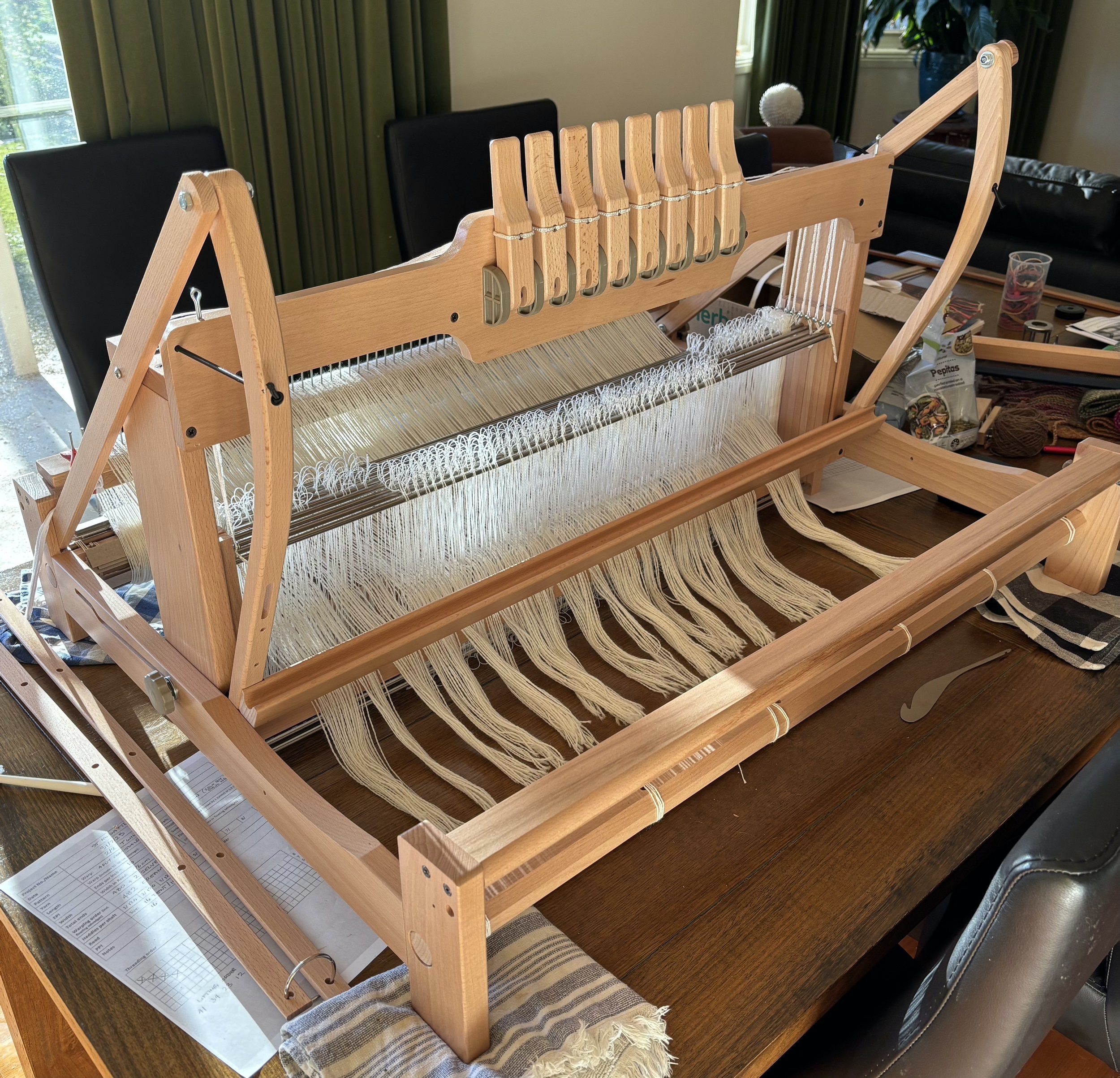
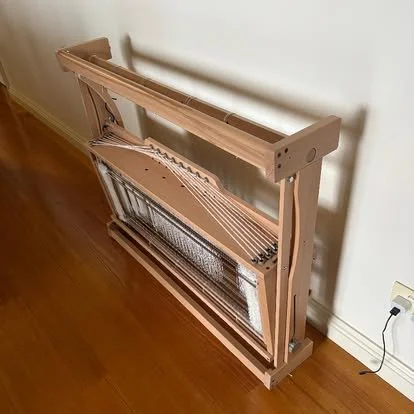
When planning to weave St Kilda tweed on the island itself in 2027, one of the first challenges I faced was how to get a loom there. The boat that makes the journey to St Kilda is quite small, and there was no chance of transporting a traditional floor loom — the kind originally used on the island nearly a century ago. After a fair bit of research, I found the perfect solution: an Ashford 80 cm table loom. It’s almost exactly the same weaving width as the looms once used on St Kilda, but it folds up neatly, making it far more portable and practical for the journey by sea.
This little loom will travel with me to the island, where it will be set up once more to weave cloth at the very edge of the Atlantic — reviving a tradition that hasn’t been practiced there for almost 100 years. It feels somehow fitting that this modern, compact version of an old design will help bridge the past and the present when St Kilda tweed comes back to life in 2027.