St Kilda Tweed an ancient lost tradition
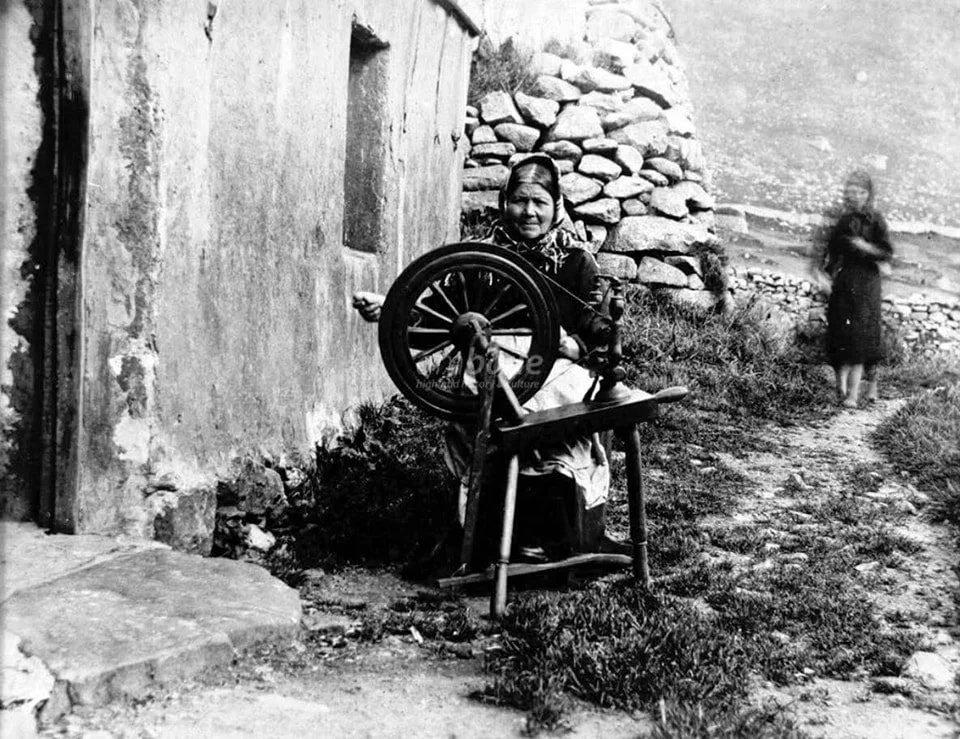
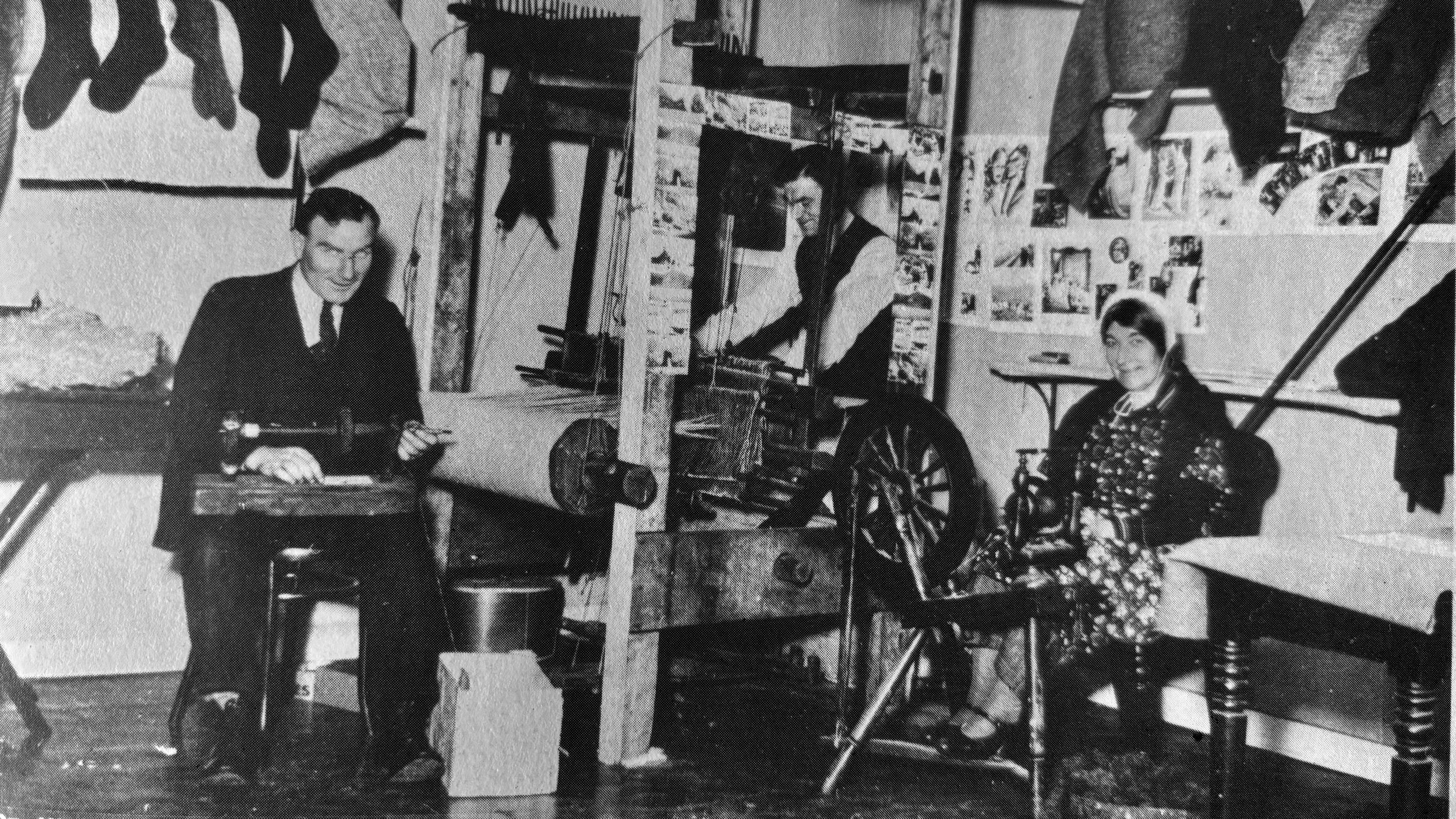
One of the most fascinating aspects of the tweed once woven on the remote island of St Kilda is just how ancient its method of production appears to have been.
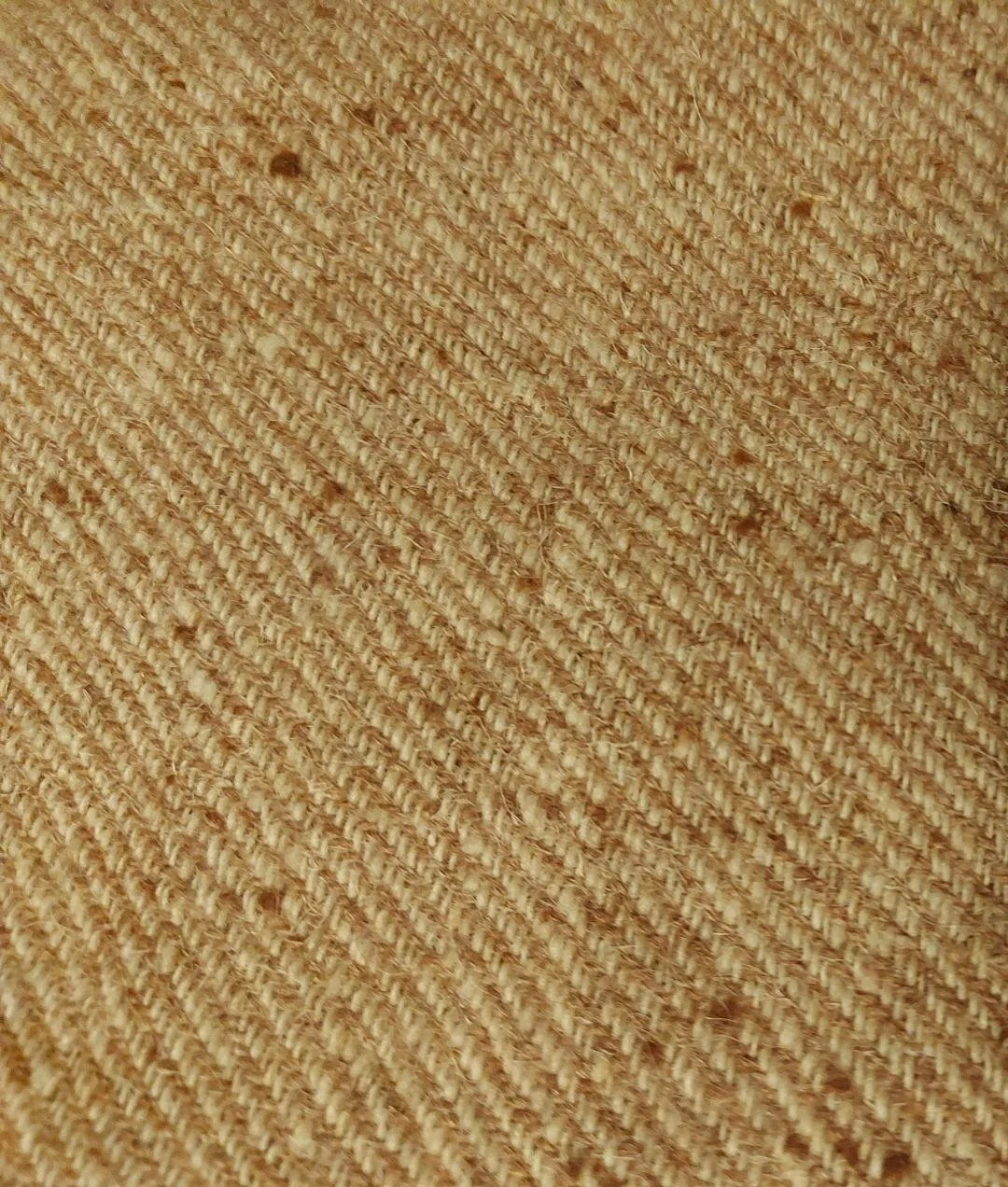
The yarn used by the St Kildan women was almost certainly hand-spun and single ply. Unlike modern yarns that are spun very evenly and then twisted together into multiple plies, their yarn would have been spun slowly by hand, probably from simple spinning wheels or drop spindles. The result was a yarn that varied naturally in thickness, with thick and thin sections and the occasional fibre still visible. By modern standards it would look quite irregular, but this irregularity gave the cloth its distinctive character and life.
The wool itself likely came from two remarkable primitive sheep breeds. Stronger fibres from Boreray sheep were probably used for the warp (the threads held under tension on the loom), while the softer wool from Soay sheep was used for the weft (the threads woven across the cloth). This combination produced a fabric that was both durable and warm.
The cloth was most likely woven in a simple 2/2 twill structure on small domestic looms inside the island’s stone cottages. Because the yarn was single ply and hand spun, the weavers probably worked with relatively gentle tension and a slightly open weave. The cloth would then tighten and strengthen later during the finishing process.
Once woven, the tweed was washed and lightly fulled — a process that caused the wool fibres to interlock and “bloom”. This created the slightly fuzzy surface and weather-resistant quality that traditional tweed is known for. The finished cloth would have been rustic, textured and full of subtle natural colour flecks from the undyed wool.
What makes this so extraordinary is that the tweed produced on St Kilda may represent one of the last surviving examples of an extremely old style of cloth production — a tradition that had changed little for generations before the island was evacuated in 1930.
My hope with the St Kilda Tweed Project is to recreate this cloth as faithfully as possible: using wool from Soay and Boreray sheep, spun as single-ply yarn, and woven in the same simple twill structure that the St Kildan women once used.
If successful, it may come remarkably close to the character of the original island tweed — a small but meaningful revival of a textile tradition that has been silent for nearly a century.