The Beginning of the End
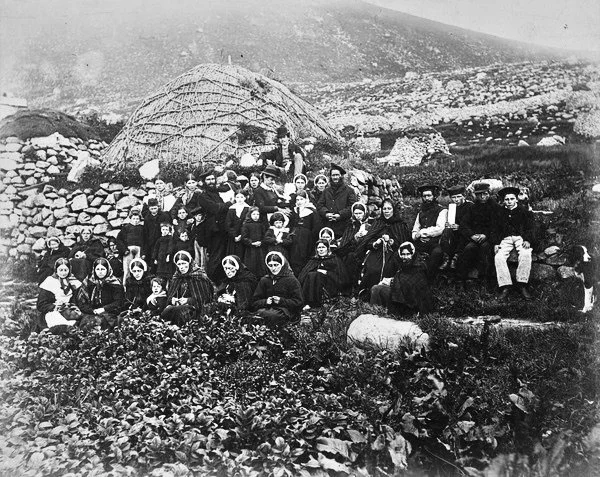
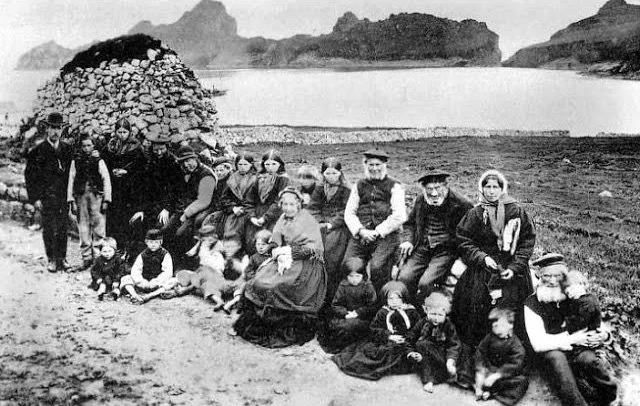
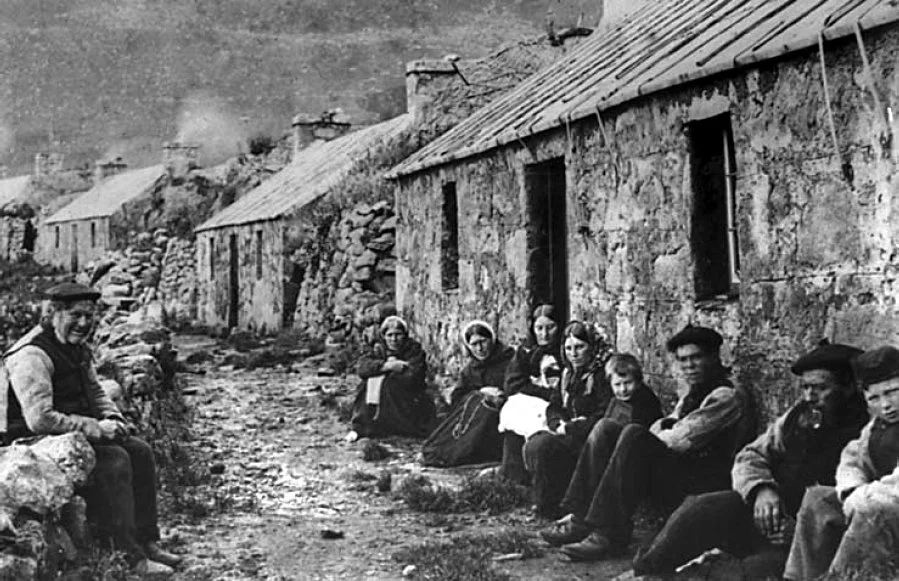
In spite of the exemplary hospitality, which the St Kildans extended to all visitors to their island, their attitude towards strangers was complicated by one curious factor. Until the middle of the 19th century the islanders always reacted with alarm to the arrival of strangers and as a preliminary the whole community would disappear into the hills and hide among the rocks. Beside the age-old fear of physical violence there was another still more potent reason for their resentment of foreigners. Due to the rarity of disease among the islanders and their consequent lack of immunity, every time a stranger came to the island all the inhabitants would be struck down with illness. This complaint, which came to be known as the stranger’s cough or the boat-cold, was like a severe bout of flu. It usually began with an aching around the jaw, which spread to all the limbs, and was accompanied by a headache and depression, ending up with a cold and cough. Between 1830 and 1846 there were six deaths from the stranger’s cough, but the worst of the disease was that it affected everyone on the island and could put a stop to work for a period of a week or more. If the islanders caught it at an important time of year, during the fulmar season or at harvest-time, it could cause serious hardship.
As contact with the mainland increased over the years the St Kildans appeared to be less troubled by the boat-cold, though other diseases, many of them previously unknown on the island, took place. The islanders’ resentment of strangers on this account was overridden by their curiosity and love of novelty which only visitors from the world outside could satisfy. Tourists became an important source of income to the community, but the people finally grew tired of being put on display, of having their customs and traditions ridiculed and their way of life pitied. Something of their old fear of foreigners returned, but by then it was too late.