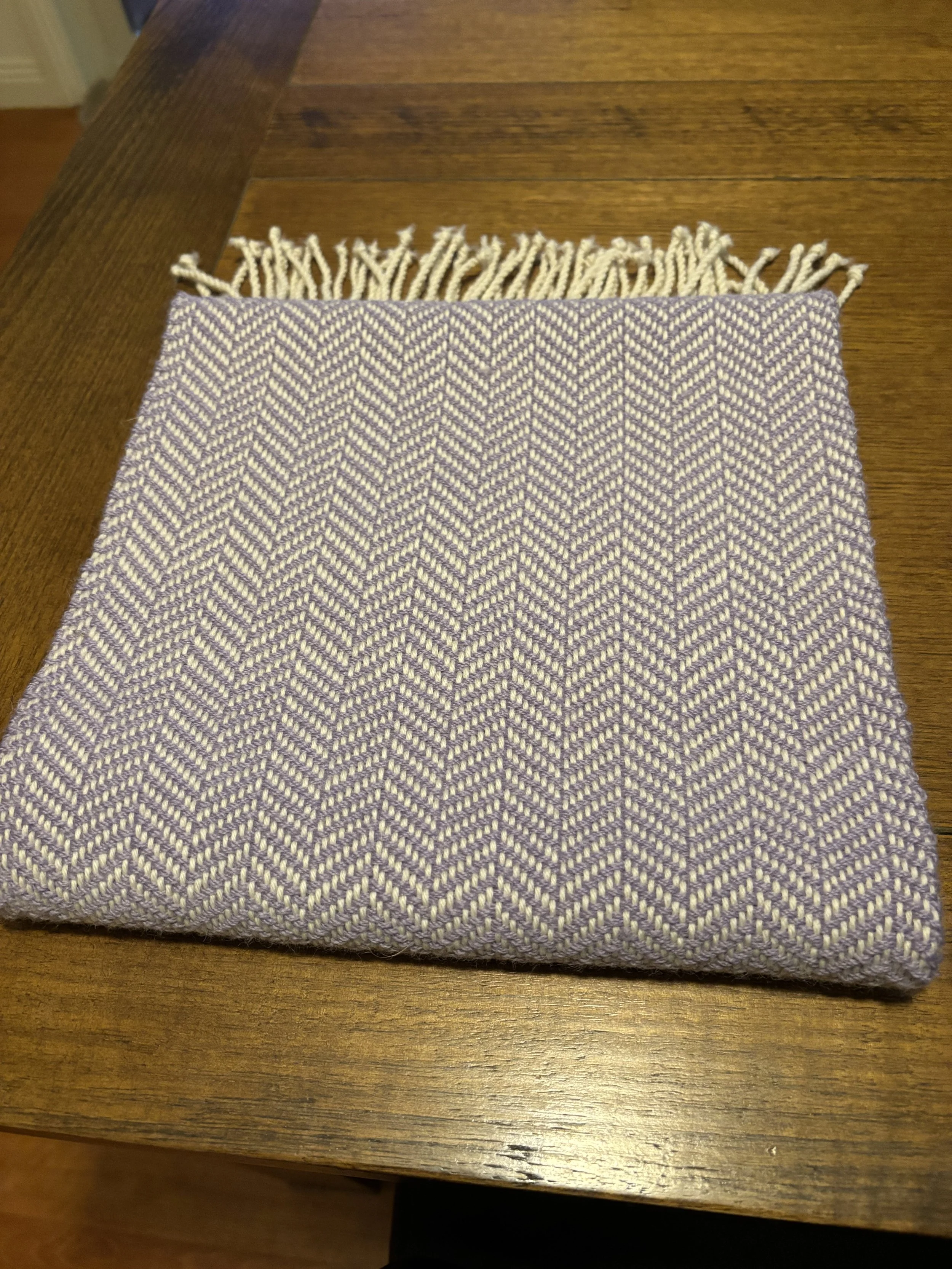
THE RETURN OF ST KILDA TWEED: plan to revive islands’ long lost cloth
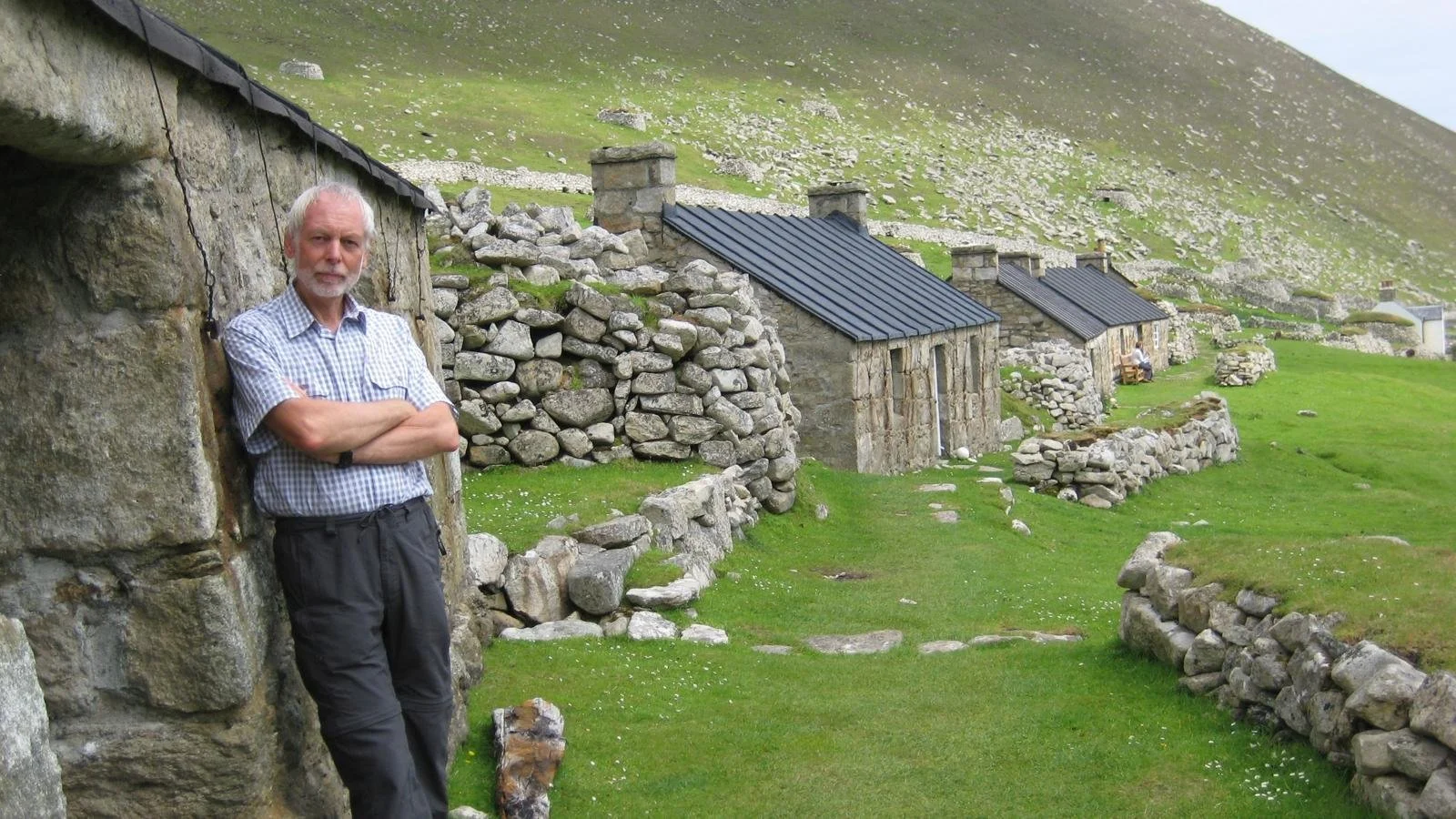
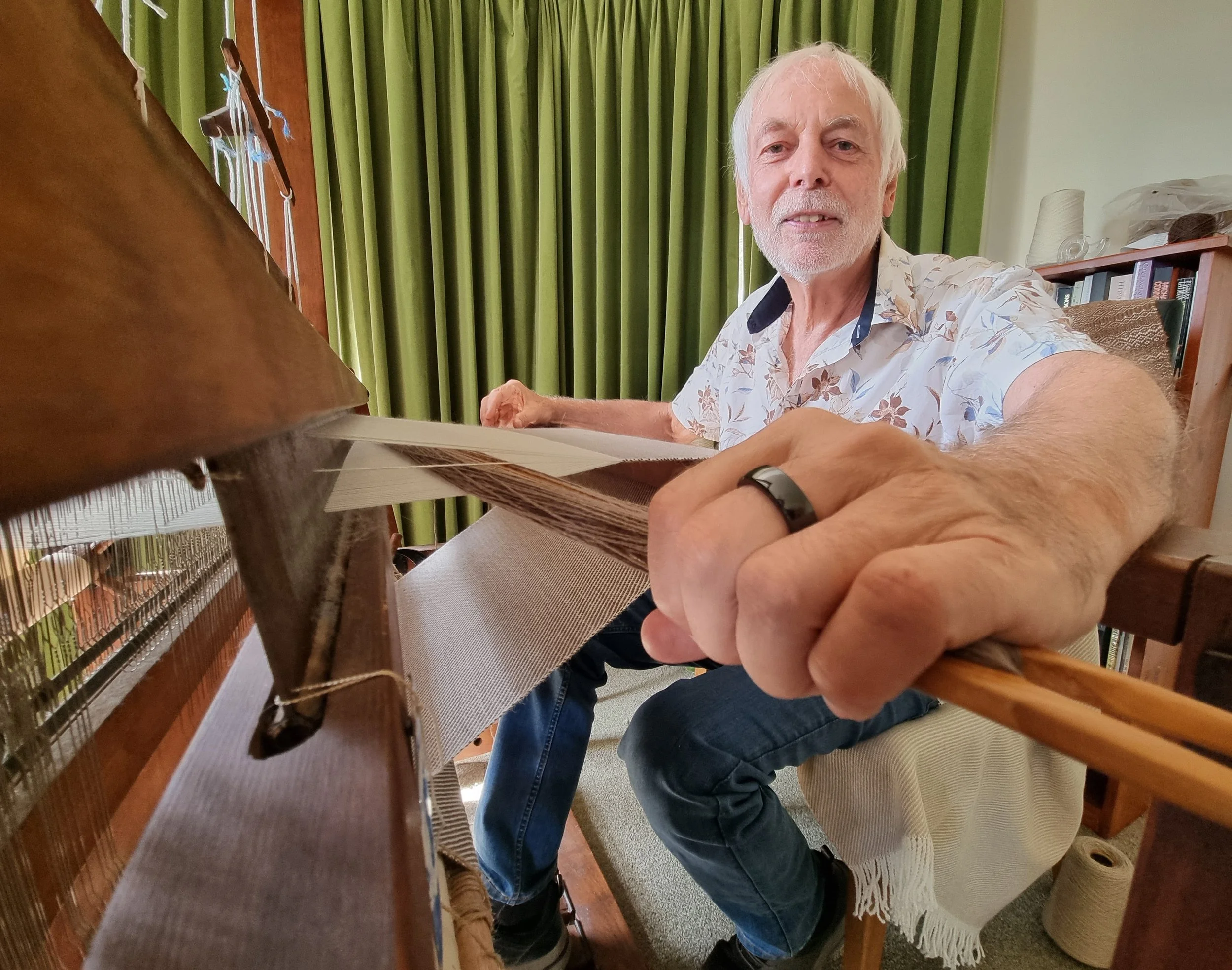
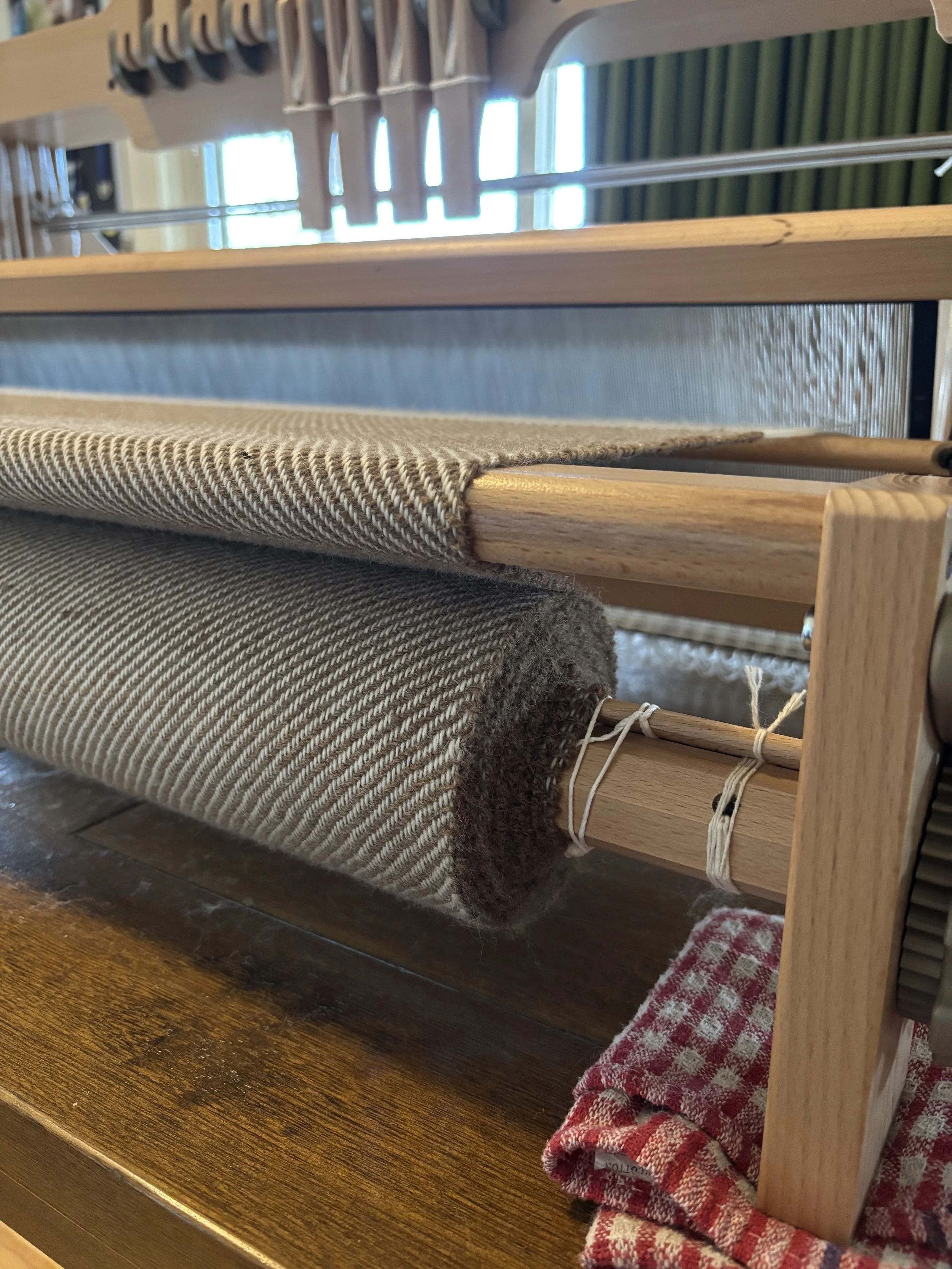
This is an article published in the Glasgow Herald a few days ago with the above photographs
Using fleece from ancient breeds of sheep and age-old skills of spinning and weaving, St Kilda’s islanders created a unique cloth that was essential to their life on the edge.
For generations until the island was evacuated in 1930, the tweed they produced was unique to them: coarse, rustic and full of subtle natural colour flecks from the undyed wool spun from the islands’ primitive breeds of Soay and Boreray sheep.
The St Kilda tweed died when islanders abandoned their homes on Hirta. Today, only a few fragments of the cloth they depended on, remains in museums.
Now, though, there are plans from the other side of the world to recreate it for the first time in almost a century, on St Kilda itself.
An Australian weaver who once lived in the Melbourne suburb of St Kilda and who, intrigued by its Scottish namesake, became fascinated by the island story, will travel there next year with a small, portable Ashford table loom similar in size to the kind which would have been used by islanders.
Once there, Paul Lamb will work with rare Soay and Boreray fleece collected from heritage sheep breeders and machine spun at a Borders mill to precise specifications intended to match one of the few surviving examples of St Kilda tweed.
He also hopes to be accompanied by a spinner who can work alongside, hand spinning a quantity of the fleece to create yarn that would be an even closer match to the traditional St Kilda tweed.
Paul says he hopes the project will reconnect wool, loom, landscape, and history in the place where the cloth was originally made.
He plans to spend several weeks on Hirta making the tweed which he says he will then deliver to the National Trust for Scotland, which manages the World Heritage Site, with the possibility that it might be sold to island visitors or put on display.
He says: “One of the most evocative surviving objects from St Kilda is its tweed.
“Compared with modern weaving standards, the St Kilda tweed is far more rustic in appearance.
“The uneven yarn thickness and subtly variable twill pattern give the cloth a remarkable vitality and character that is rarely seen in contemporary fabrics.
“My hope is to come as close as possible to the qualities of the tweed that was woven on St Kilda before the island was evacuated.”
Paul, who spent 20 years in Glasgow as an occupational therapist before returning to his native Australia, was inspired after visiting St Kilda 16 years ago and being struck by the islanders’ lives and use of the ancient sheep’s fleece to create their unique tweed.
However, having harboured the idea of recreating it for years, he only learned to weave 18 months ago.
He says he has since been spurred on by an unlikely sequence of coincidences sparked after mentioning the idea to a friend who put him in touch with Jimmy Hutchison and Erika Douglas of Newburgh Handloom Weavers, who use traditional wooden handlooms built in 1870 to create their cloth.
Having discovered a Soay sheep breeder nearby them who could supply fleece, he returned to Australia to begin a weaving course where he met a woman who turned out to be a St Kilda descendant.
“It started to feel like it was meant to be,” he says.
He has now secured 40kg of Boreray fleece from an Orkney breeder and 30kg of Soay sheep wool which will be machine spun by The Borders Mill in Duns to match the yarn in a 95-year-old tweed fragment held by the West Highland Museum in Fort William
For generations, St Kilda’s islanders relied on wool from the Soay and Boreray sheep, which are recognised in the archipelago’s inscription as a dual World Heritage Site.
The islands’ primitive Soay sheep are free from genetic input from modern breeds and continue to range across the main island of Hirta and nearby Soay.
Small with dark fleeces, a number were removed from St Kilda in the 1800s with their descendants now making up a small number of heritage flocks around the UK.
While Boreray, four miles north east of Hirta, holds a population of wild Boreray sheep which are direct descendants of the Scottish Dunface sheep which were taken to St Kilda from the Highlands.
Boreray sheep are listed on the Rare Breed Survival Trust’s watch list as ‘At Risk’.
Paul says as well as the unusual sheep fleece, St Kilda tweed has other special features.
“The yarn used in the cloth is entirely single ply, displaying the beautifully irregular qualities of hand spinning - variable thicknesses and a softly ‘hairy’ surface.
“The warp yarns appear to be spun from Boreray wool, giving a soft cream appearance, while the weft yarns are spun from Soay wool, producing the distinctive brown tones with flecks of darker colour seen in the cloth.”
The single-ply yarn meant islanders would also have employed a particular style of tension while weaving, and then washing the cloth to forge the fibres and create a stronger tweed.
Paul has already created versions of the St Kilda style tweed using Australian wool which he has made into garments including a jacket and waistcoat.
However, he says: “Cloth can only truly be called St Kilda tweed if it is woven on St Kilda itself, using the traditional wool of the Soay and Boreray sheep.
“Although I will use machine spun yarn, I’m hoping that the Trust will allow me to be accompanied by a hand-spinner so some yarn can be produced in the traditional way.
“If successful, it may come remarkably close to the character of the original island tweed - a small but meaningful revival of a textile tradition that has been silent for nearly a century.”