THE UNIQUE FLORA & FAUNA of ST KILDA
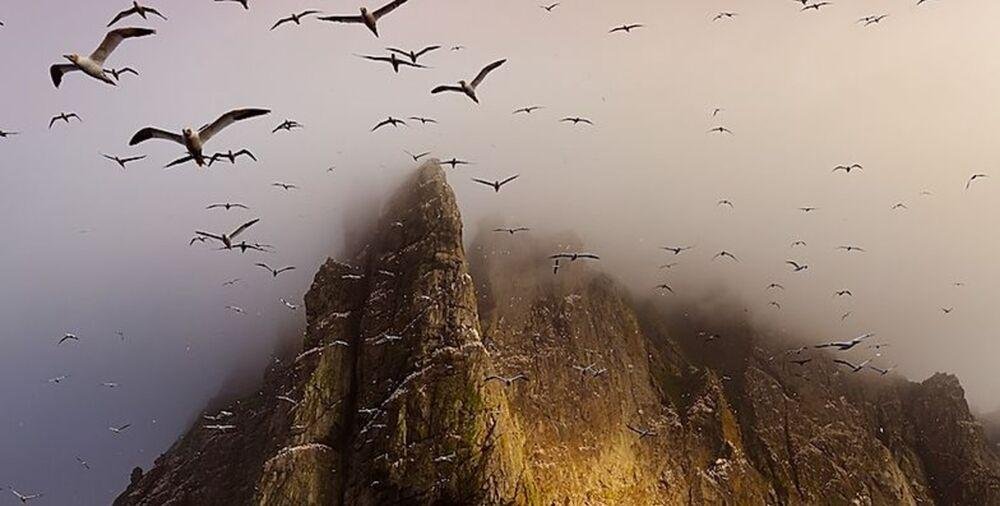
When most people think of St Kilda, they picture towering sea cliffs, vast seabird colonies, and a remote community living at the very edge of the known world. Yet St Kilda's isolation also created something remarkable – a natural world found nowhere else on Earth.
Over thousands of years, the islands became a laboratory of evolution. Cut off from mainland Scotland by some 64 kilometres of open ocean, plants and animals adapted to their environment in unique ways.
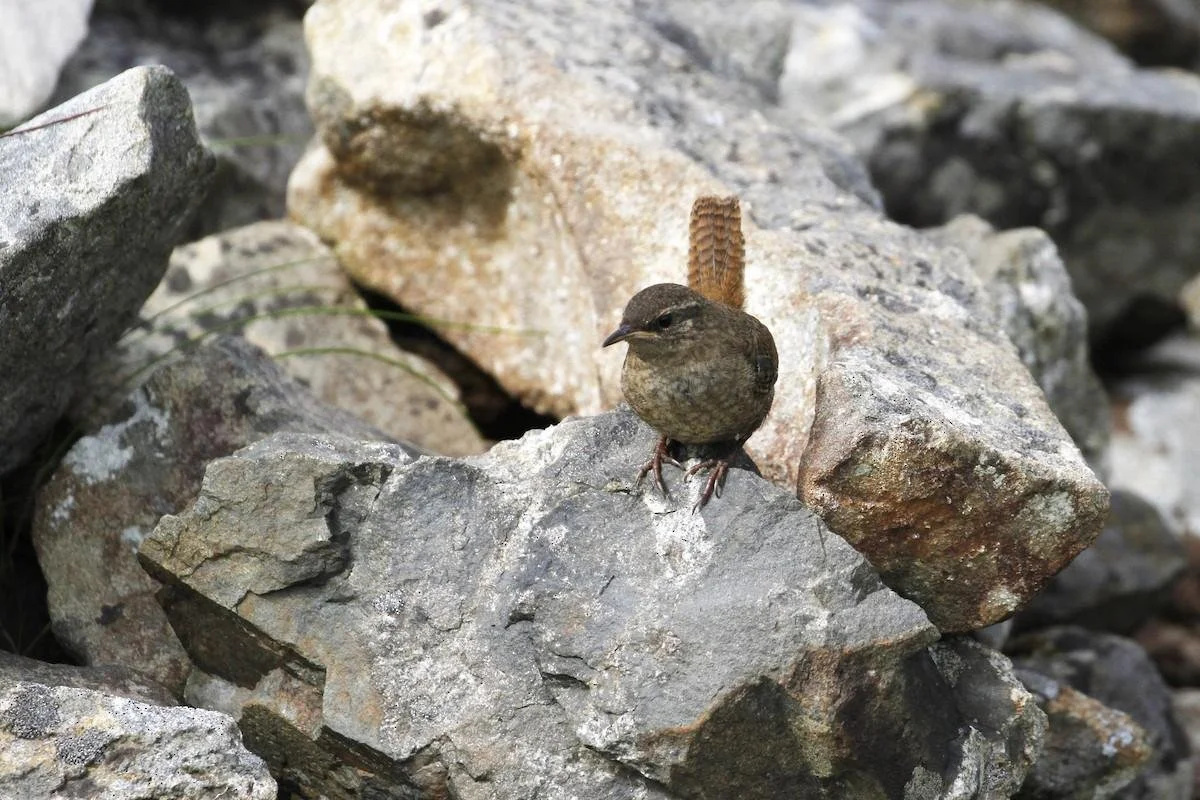
One of the most fascinating examples is the St Kilda Wren. Although descended from the common Eurasian Wren found throughout Britain, the St Kilda population evolved into a distinct subspecies. The birds are noticeably larger than their mainland relatives, with stronger bills and legs, adaptations that helped them survive the harsh Atlantic conditions.
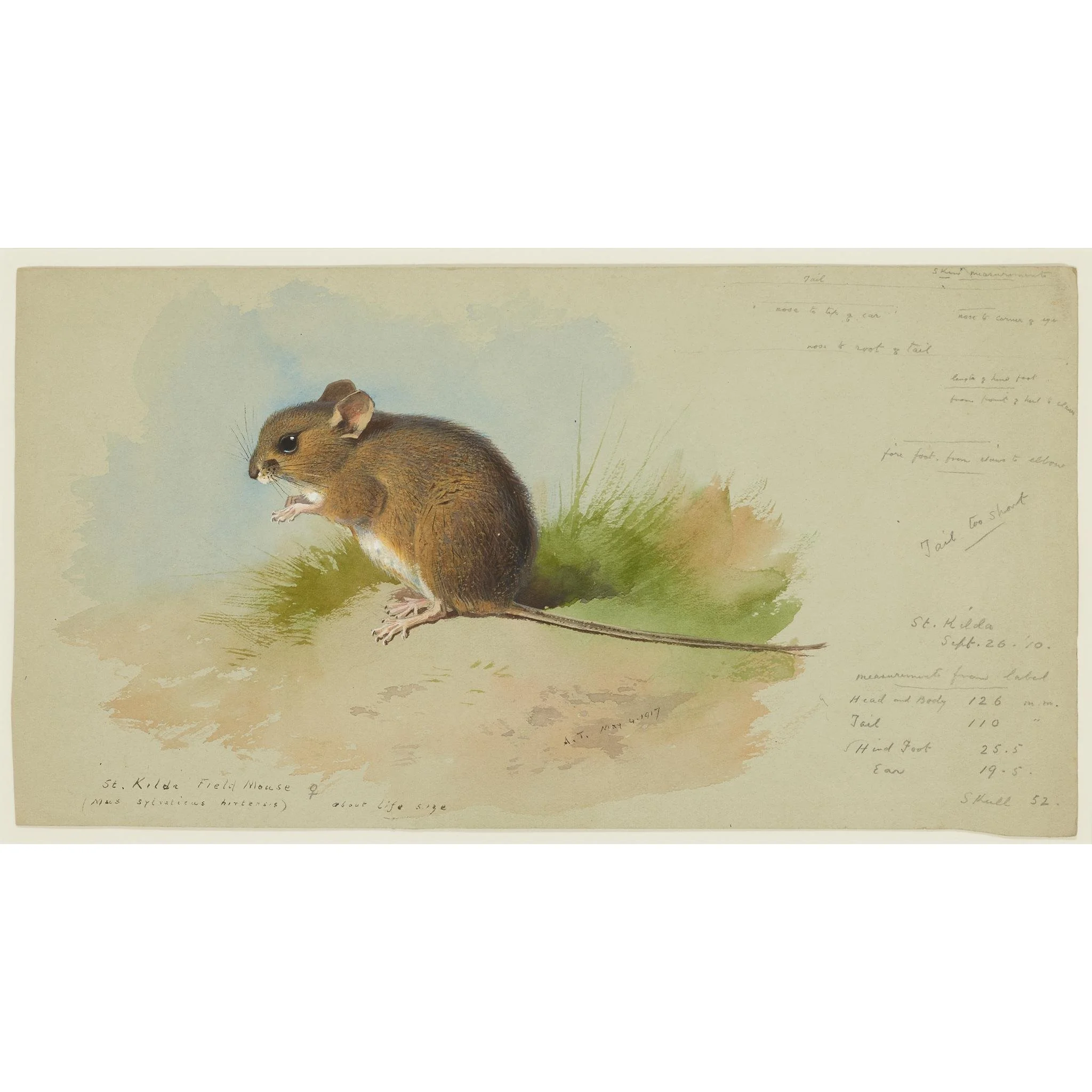
Equally remarkable was the St Kilda Field Mouse, a unique subspecies found only on the islands. It was significantly larger than mainland field mice, a phenomenon known as "island gigantism." With fewer predators and less competition than on the mainland, larger body size became an advantage. Even today, visitors to Hirta are often surprised by the size of the mice that dart among the old stone cleits and abandoned village buildings.
The islands are also renowned for their extraordinary seabird populations. Hundreds of thousands of gannets, fulmars, puffins, and other seabirds nest on the cliffs each year, continuing a relationship with the islands that stretches back thousands of years. For generations, St Kildans relied on these birds for food, oil, feathers, and trade.
The flora of St Kilda is equally intriguing. Despite the islands' exposed location, a surprising variety of wildflowers and grasses thrive there. However, one thing largely absent from modern St Kilda is trees.
Whether St Kilda was ever significantly wooded remains a matter of debate. Pollen evidence suggests that small areas of woodland or scrub may have existed in the distant past, perhaps thousands of years ago. If trees did once grow there, they may have gradually disappeared due to a combination of climate, grazing by sheep, and human use for fuel and building materials. By the time historical records were first written, the islands were essentially treeless, leaving generations of St Kildans to rely on imported timber and driftwood washed ashore by Atlantic storms.
Today, St Kilda remains one of the most important wildlife sanctuaries in Europe and a place where nature continues to tell its own story. The larger wrens and mice, the vast seabird colonies, and the windswept grasslands are reminders that isolation can create something truly unique.
As I continue my journey to recreate St Kilda tweed on the island itself, I am constantly reminded that the wool, the landscape, the wildlife, and the people of St Kilda are all threads woven together into the same remarkable story.