Finding the Wool - Part 3
By the time I had finally seen a photograph of a piece of St Kilda tweed, I had begun to understand just how much there was still to learn. But there was another question that had been quietly sitting in the back of my mind from the very beginning: where was I going to find the wool?
The answer, as it turned out, was going to take me on another remarkable journey.
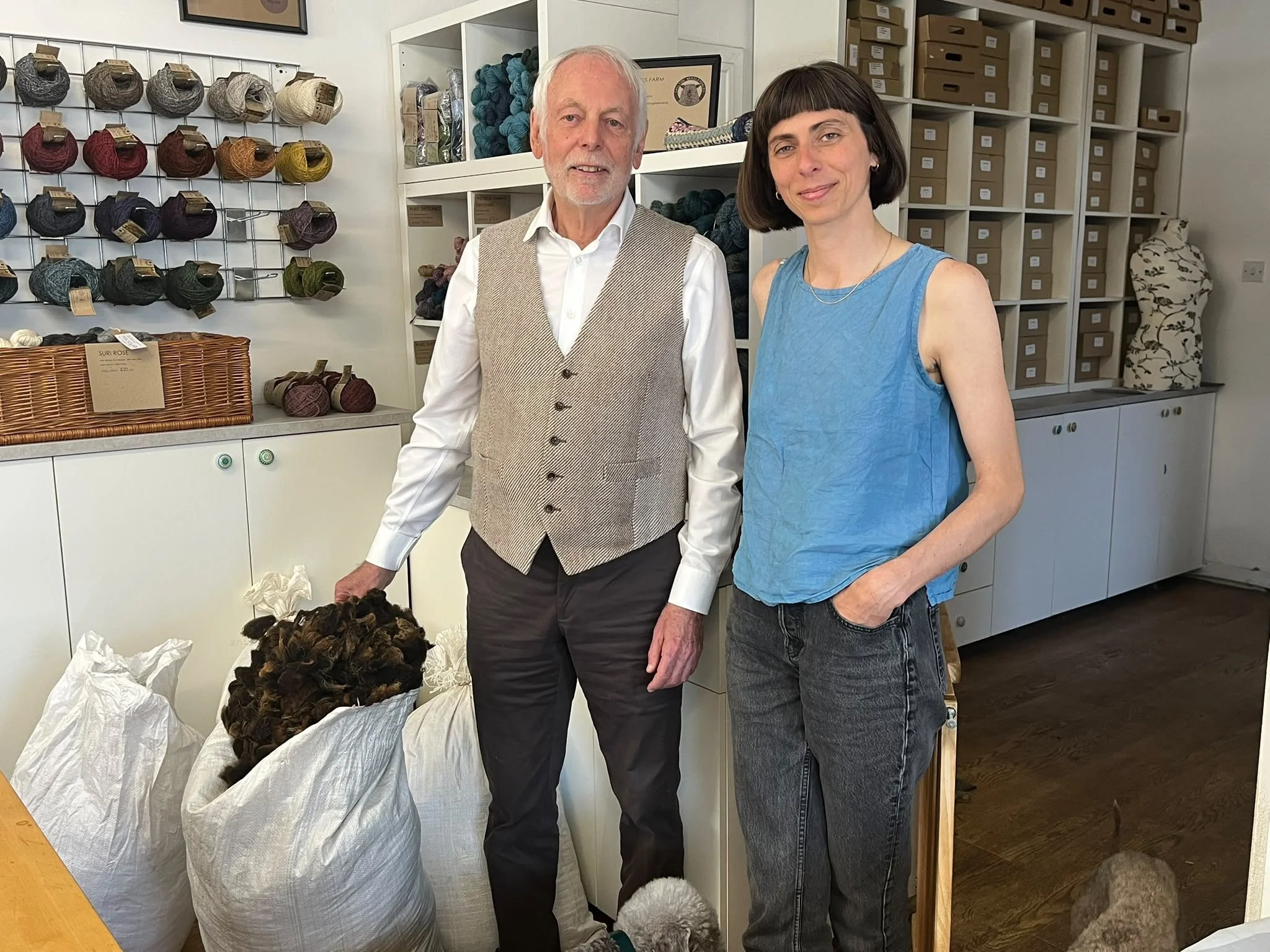
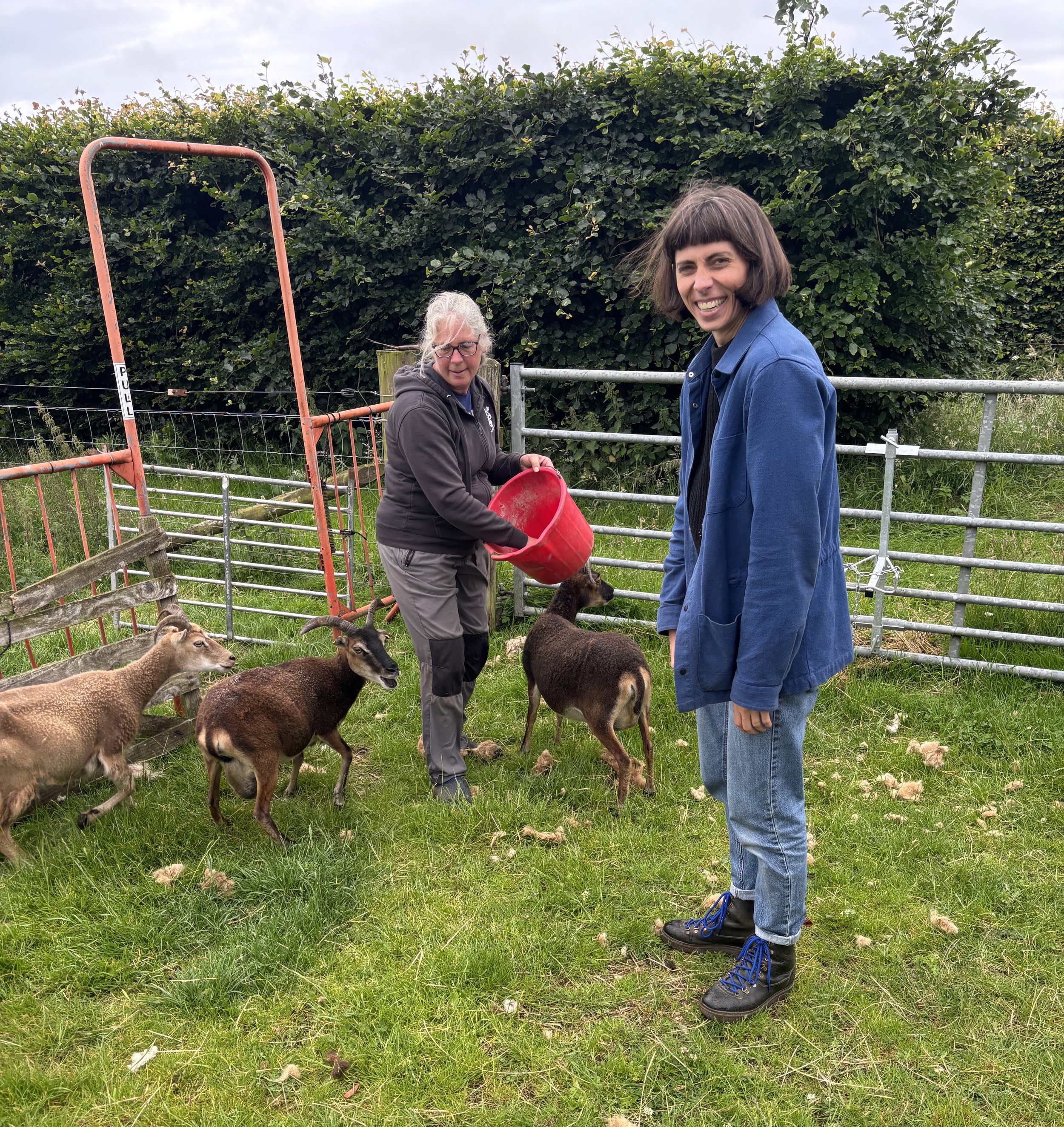
Looking back now, it is difficult to remember just how embryonic the whole idea was when I first saw a Soay sheep. I had travelled to Scotland and visited Jimmy and Erika at Newburgh Handloom Weavers. They had been incredibly generous with their time, showing me their workshop and talking to me about weaving. It was through them that I was introduced to Cheryl at Hilton Hill Farm in Kingskettle, only a short drive away, and there, for the first time, I actually saw Soay sheep.
At that stage, I was still a very long way from being a weaver. In fact, I had no loom, no experience and no real idea of just how complicated the journey ahead was going to become. But I was beginning to understand something important. If I was ever going to have any hope of recreating St Kilda tweed on St Kilda itself, I would have to learn how to weave, and eventually I would have to find the wool that had the best chance of producing something resembling the original cloth.
One thing was already becoming clear. The wool mattered.
The more I researched the old St Kilda cloth, the more convinced I became that I couldn't simply substitute an easily available modern wool and hope for the best. The historical descriptions pointed towards two quite different breeds: Soay for the weft and Boreray for the warp.
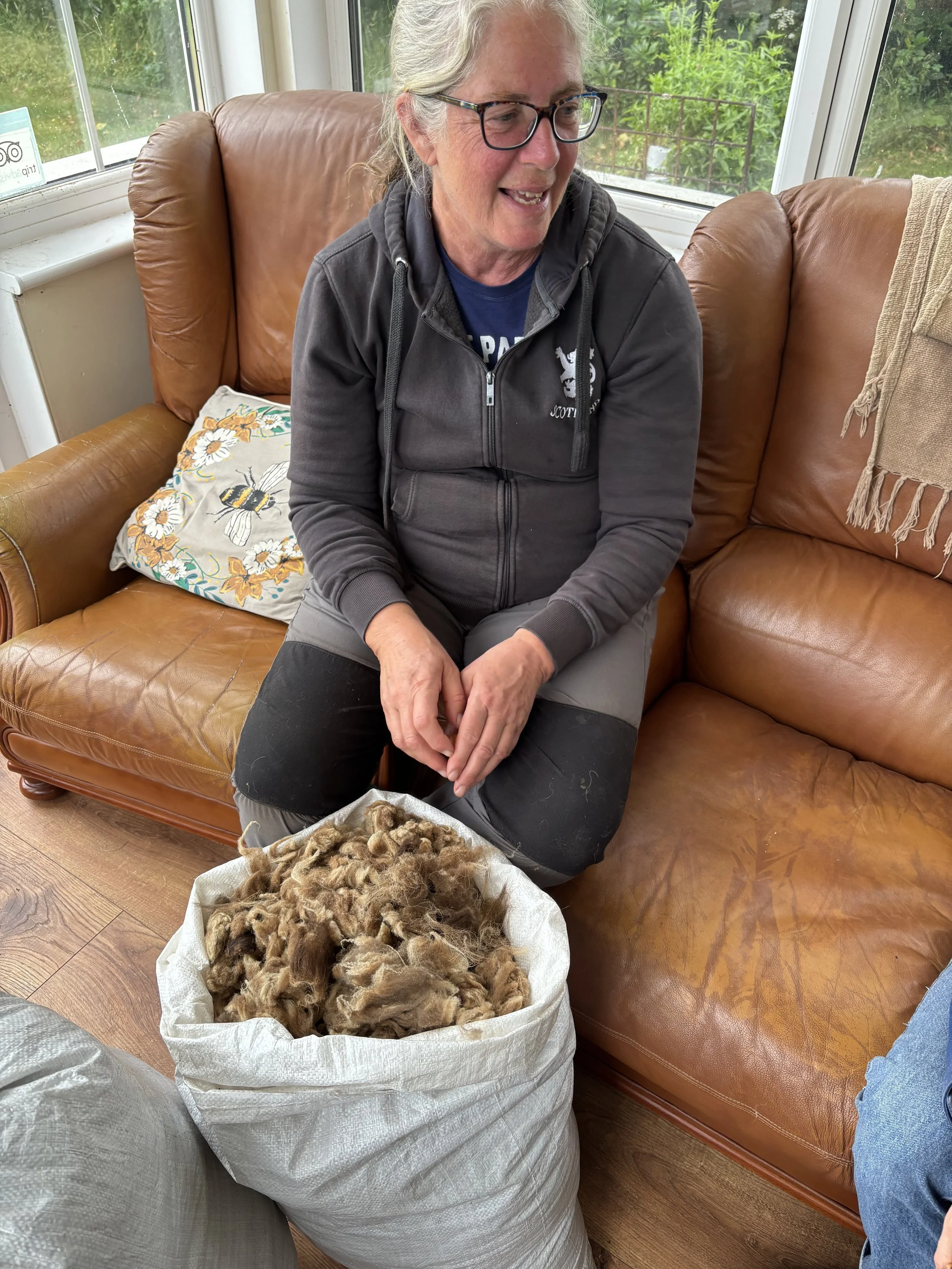
I already knew where I might find one of them. Cheryl was enormously helpful, and I was able to arrange to purchase 30 kilograms of Soay fleece from Hilton Hill Farm. But finding the Boreray wool was going to be considerably more difficult.
FINDING THE BORERAY
It was Cheryl who pointed me in the right direction. She told me about Jane Cooper and her book The Lost Flock, which tells the remarkable story of the Boreray sheep and Jane's determination to help save this critically endangered breed from disappearing altogether.
I bought the book and read it. And then, as had happened so many times during this project, one door led to another.
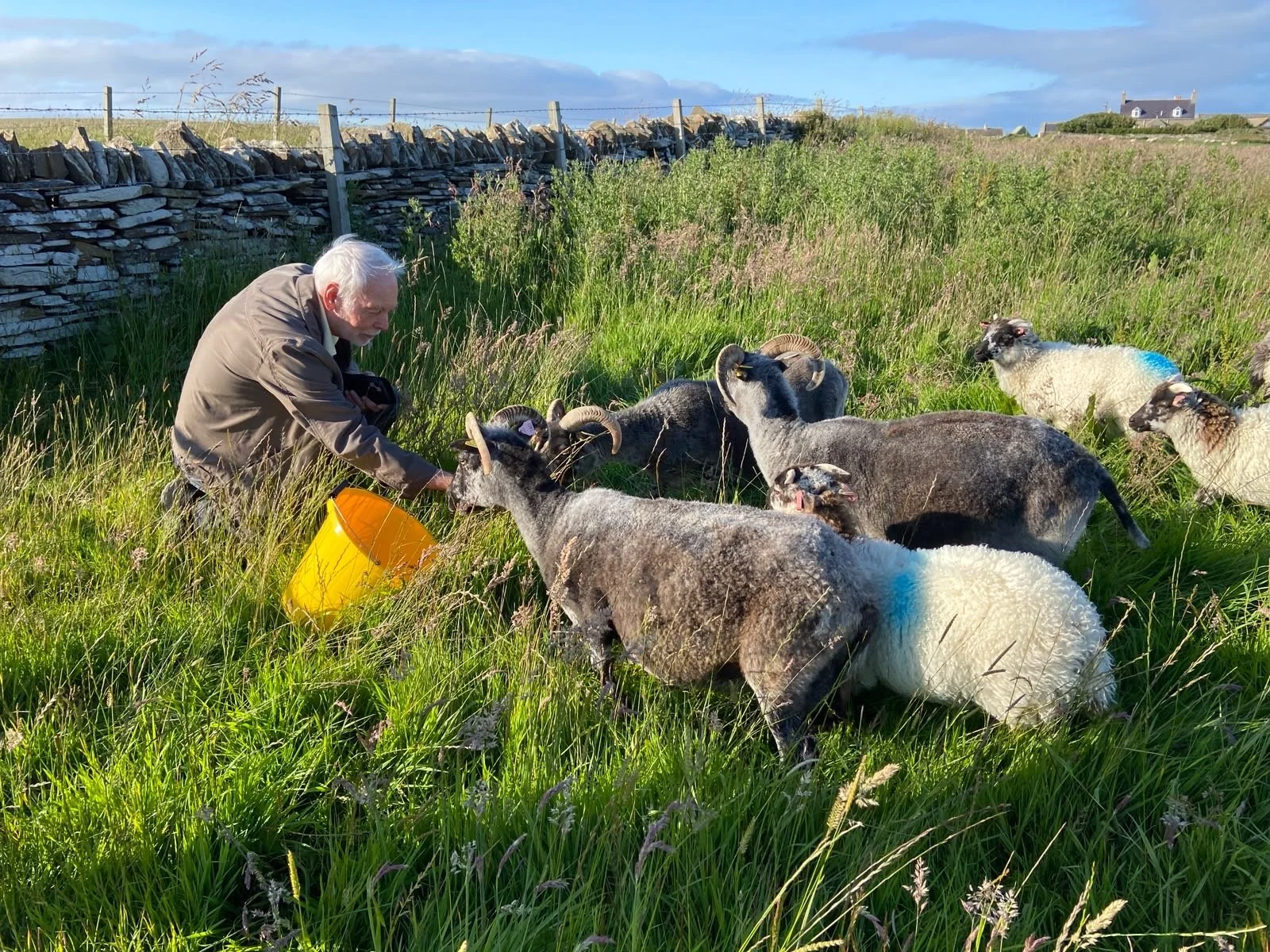
I contacted Jane and to my delight, she replied and put me in touch with Marianna, who works at the Kirkwall Museum in Orkney. Marianna then put me in touch with Hazel at Airy Farm on the island of Stronsay. And once again, I found myself wondering whether I had somehow stumbled upon exactly the right person at exactly the right time.
I explained what I was trying to do. Hazel understood the significance of the project immediately, and then came the answer I had been hoping for.
Yes. She could supply me with the Boreray fleeces I needed.
The fact that she was willing to do this meant far more to me than simply solving a practical problem. The project was beginning to connect with the very breeds of sheep that had once provided the islanders with their wool: Soay for the weft and Boreray for the warp.
Suddenly, the historical descriptions I had been reading were beginning to become something tangible. I now had the raw materials, but I still had to work out how those fleeces could become the kind of yarn that might eventually produce the cloth I was trying to recreate.
FINDING SOMEONE TO SPIN IT
The next question was where on earth could I have these fleeces processed and spun into the kind of yarn I needed.
Initially, Jimmy had suggested that the Halifax spinning mill might be worth contacting. I did and after discussing the project with them, however, they suggested that I speak to the Border Mill in Duns, in the Scottish Borders.
So I contacted Kate, who owns and runs the mill. Once again, I was incredibly fortunate. Kate was prepared to take on the project and spin the wool for me, but because of the considerable amount of work involved, I needed to pay a deposit to secure a place in their production schedule for August/October.
I didn't need to think about that for very long and immediately paid the deposit.
Another piece of the puzzle had fallen into place. And now the project was no longer simply an idea in my head. It was beginning to acquire a life of its own.
BRINGING IT ALL TOGETHER
And then, in July 2026, I found myself back in Scotland. This time I wasn't simply looking. I had a very definite purpose.
Over four days I travelled around Scotland collecting the fleeces that would eventually become the St Kilda tweed. At Hilton Hill Farm in Kingskettle, Cheryl handed over the 30 kilograms of Soay fleece. Then came another quite extraordinary journey. I drove north to Scrabster, crossed to Orkney and then took another ferry to Stronsay, where Hazel and Norman at Airy Farm had prepared 40 kilograms of Boreray fleece for me.
Next, Cecilia and I travelled to the Border Mill to discuss the project with Kate in person. Cecilia’s involvement in the project at this stage was becoming increasingly more important. We needed to work through exactly how these two very different fleeces should be prepared and spun to produce yarn suitable for the recreation of the St Kilda cloth.
Having someone beside me who understood the spinning side of the project was invaluable. It meant that the discussion wasn't simply about turning fleece into yarn. We were trying to work out how to turn these particular fleeces into the particular kind of yarn that would eventually allow me to weave the cloth we were trying to recreate.
And so, without quite realising it at the time, another remarkable chain of connections had been created.
Standing there with the wool, I realised just how far this journey had come. These were not simply bags of fleece. They represented months of research, countless conversations, an enormous amount of learning and a remarkable number of people who had been willing to help me along the way.
And perhaps most importantly, they represented the possibility that one day I might actually stand on St Kilda with a loom beside me and begin weaving.
The wool had finally been found. The two breeds were together. The fleeces were at the mill. The plans for the yarn were in place.
For the first time, the material I needed to make the cloth was no longer something I was searching for. It was actually there.
But there was still a great deal I didn't know. Especially how to work with the Soay and Boreray yarn now being spun. I had learnt how to weave using Australian spun yarn but how different would the Soay and Boreray yarn be.
But then that is a story for another time.