From Bird Oil to Tweed
One of the great joys of My St Kilda Tweed Project is that every new discovery seems to lead to another fascinating question.
After my previous post, I received a wonderful message from Jane Cooper, author of The Lost Flock. Jane highlighted something I had never fully appreciated before—the remarkable relationship between the decline of the St Kildans' centuries-old bird oil industry and the emergence of St Kilda tweed as we know it today. My sincere thanks to Jane for pointing me in this direction.
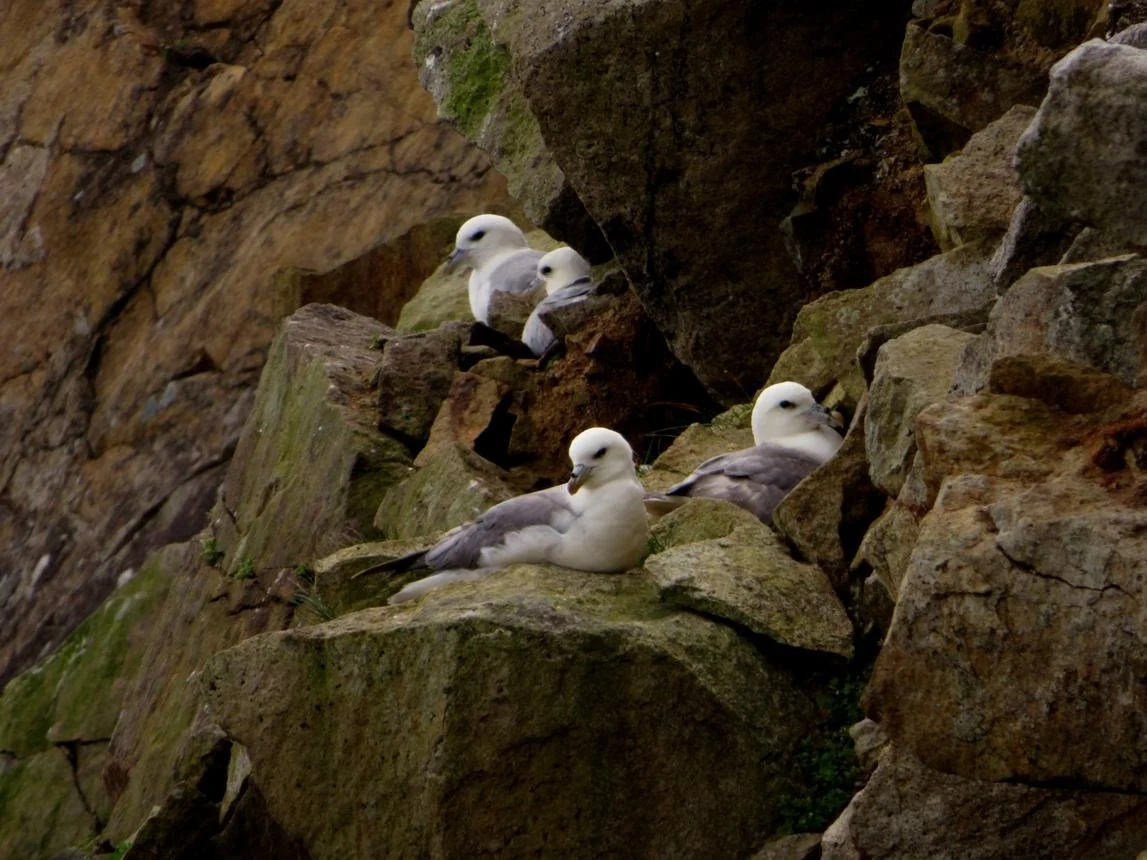
For hundreds of years, the St Kildans depended upon the seabirds that nested on the towering cliffs surrounding Hirta. Fulmars, in particular, provided not only food, feathers and lamp oil for the islanders themselves, but an oil that was highly prized on the Scottish mainland. Selling this valuable commodity enabled the islanders to pay their annual rent to the MacLeod estate.
Then, during the middle of the nineteenth century, everything changed.
The widespread introduction of petroleum-derived kerosene and other mineral oils dramatically reduced the demand for traditional bird oil. Almost overnight, the principal export upon which the St Kildan economy had depended for centuries was losing its value.
As I began researching this further, another intriguing connection emerged.
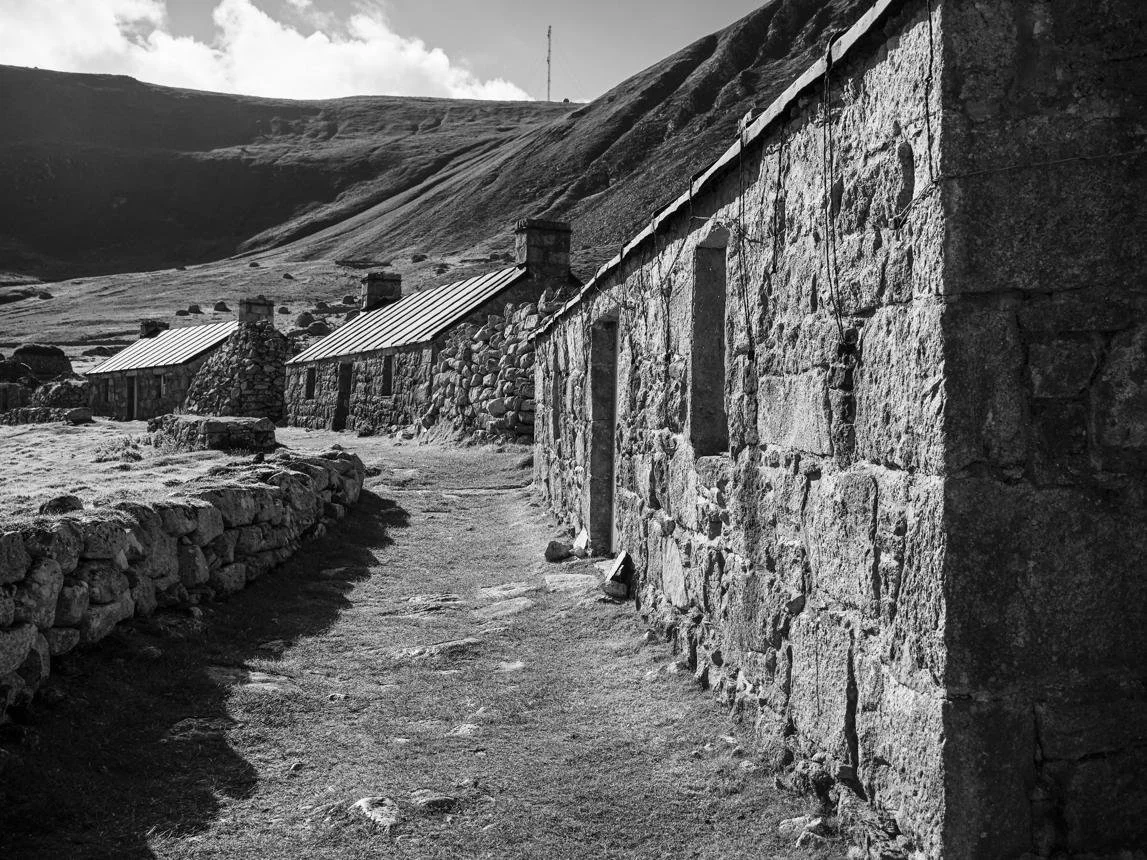
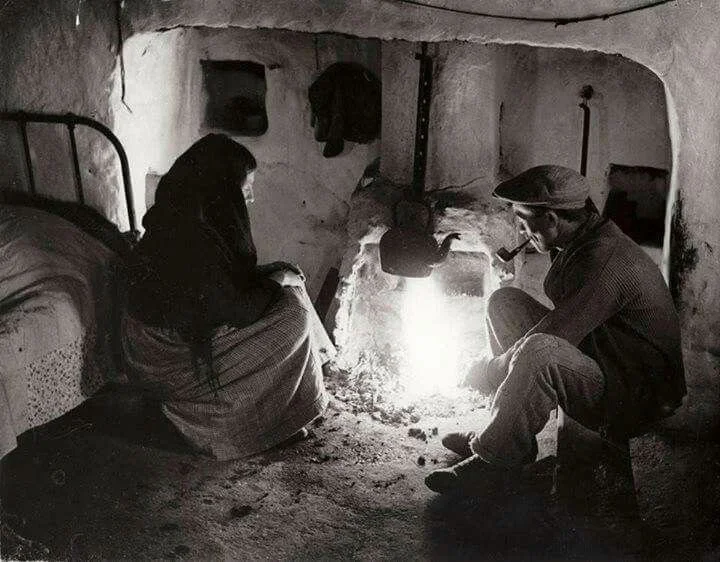
Around this same period, Sir John MacLeod undertook a major programme of improvements on Hirta, replacing the old blackhouses with the new stone cottages that still stand today. While these houses were built to improve the health and living conditions of the islanders, they also provided something equally important—a larger, cleaner, brighter and drier environment in which spinning and weaving could flourish.
The old blackhouses had been perfectly suited to survival, but the new cottages offered the space needed for larger looms and more productive weaving. As bird oil declined as the islanders' principal source of income, weaving increasingly became a means of supporting the community.
It is surely no coincidence that what we now recognise as St Kilda Tweed first appears during this very period.
Further changes followed. Blackface rams were introduced to increase the quantity of wool produced by the island's sheep, helping to support the growing weaving industry. Yet the surviving pieces of St Kilda tweed suggest that, for the finest cloth, the islanders may still have preferred the softer wool rooed from the primitive Soay and Boreray sheep.
The more I learn, the more I realise that St Kilda tweed is much more than simply a woven cloth.
It represents the resilience and ingenuity of an island community adapting to profound economic change. As one way of life disappeared, another quietly emerged—one that would become the last great craft tradition of St Kilda before the evacuation in 1930.
Researching this remarkable story is proving every bit as rewarding as weaving the tweed itself, and I look forward to sharing many more discoveries as My St Kilda Tweed Project continues.