The People Who Made It Possible - Part 6
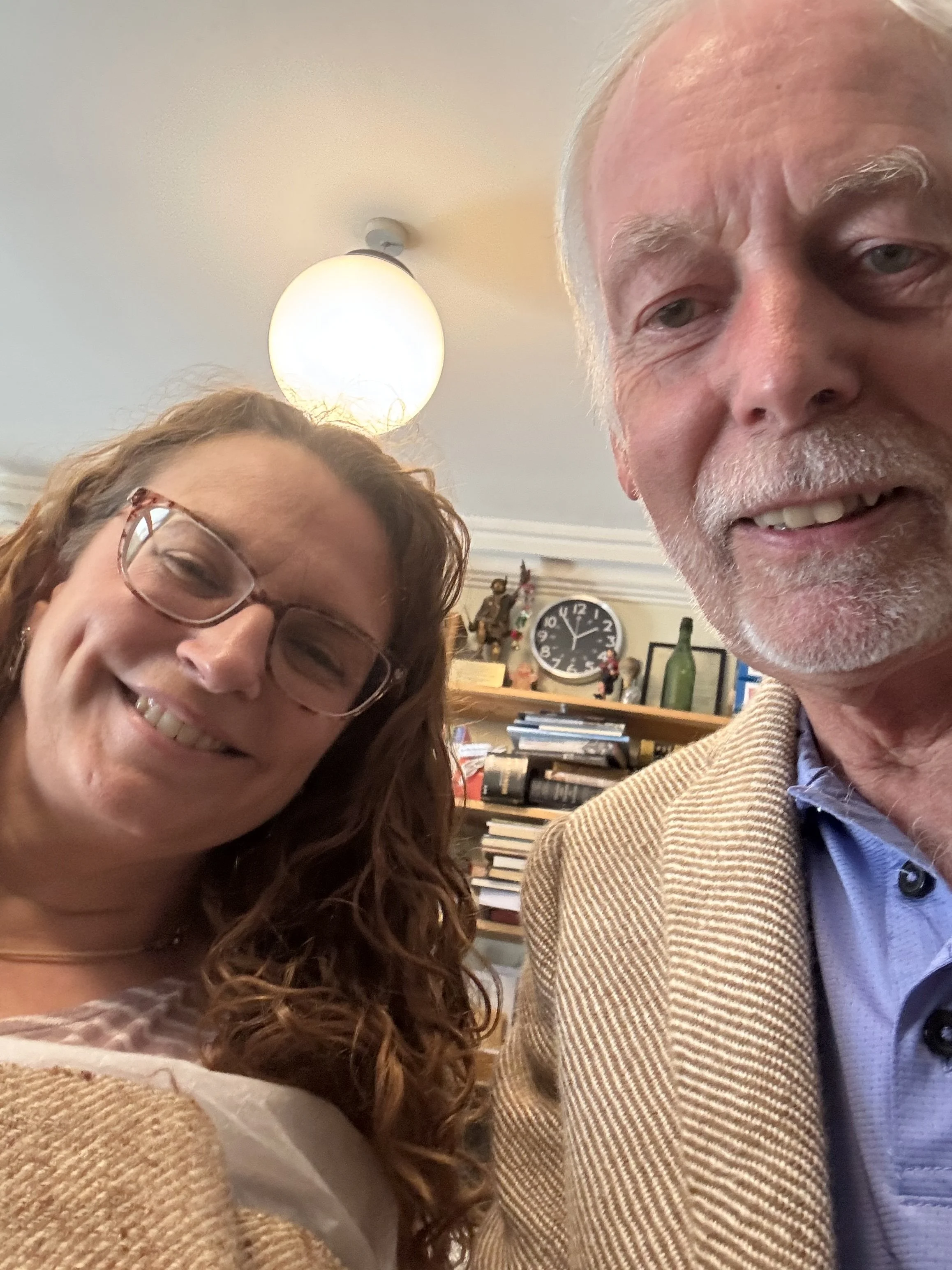
Although the idea of returning to St Kilda and weaving its tweed began with me, this project has never been mine alone.
Looking back over the journey, I can see an extraordinary chain of people, each appearing at precisely the moment they were needed. Some offered practical help, some shared their knowledge, some made introductions, and others simply believed in the idea when it was still little more than a thought bubble.
Very few of them could have known where their encouragement would lead. Yet each opened a door, and behind almost every door stood another person who would help carry the project forward.
The first was my friend and fellow adventurer, Ishbel.
Sixteen years ago, following a cycling tour through Orkney, Skye and the Outer Hebrides, we travelled together to St Kilda. It was Ishbel who took the photograph of me standing outside the small stone cottage traditionally associated with the St Kildan Parliament. At the time, neither of us could possibly have imagined the significance that photograph would one day hold.
It captured the moment when the earliest seed of this project was planted: the desire to return to St Kilda and remain there for longer than the few hours normally allowed by a day visit.
Ishbel has remained part of the journey ever since, providing me with accommodation whenever I visit Scotland and, just as importantly, a patient and sympathetic listening ear as this unlikely idea has gradually taken shape.
Many years later, it was another friend, Jane, in Tayport, who gave the project the nudge that truly set it in motion.
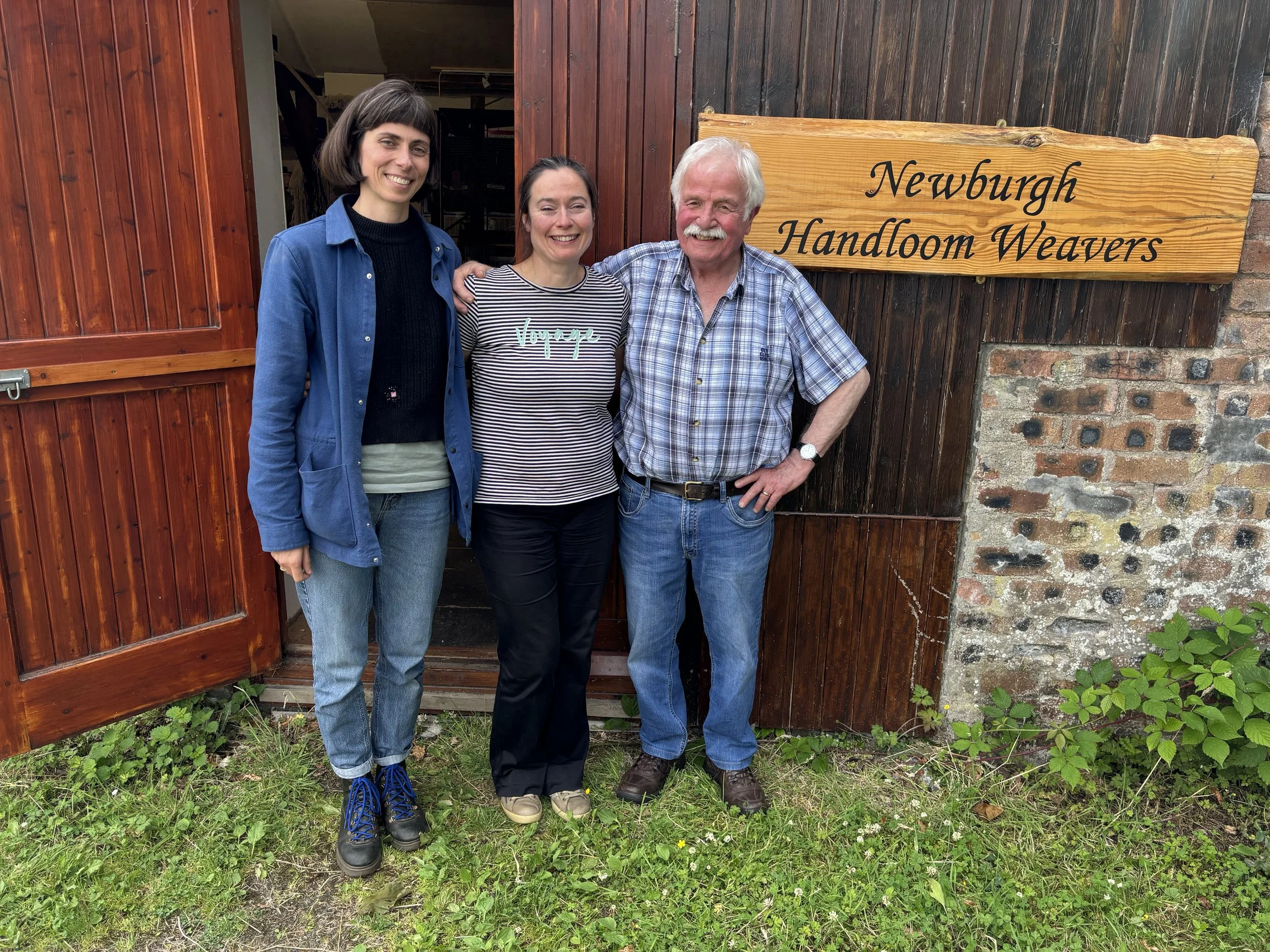
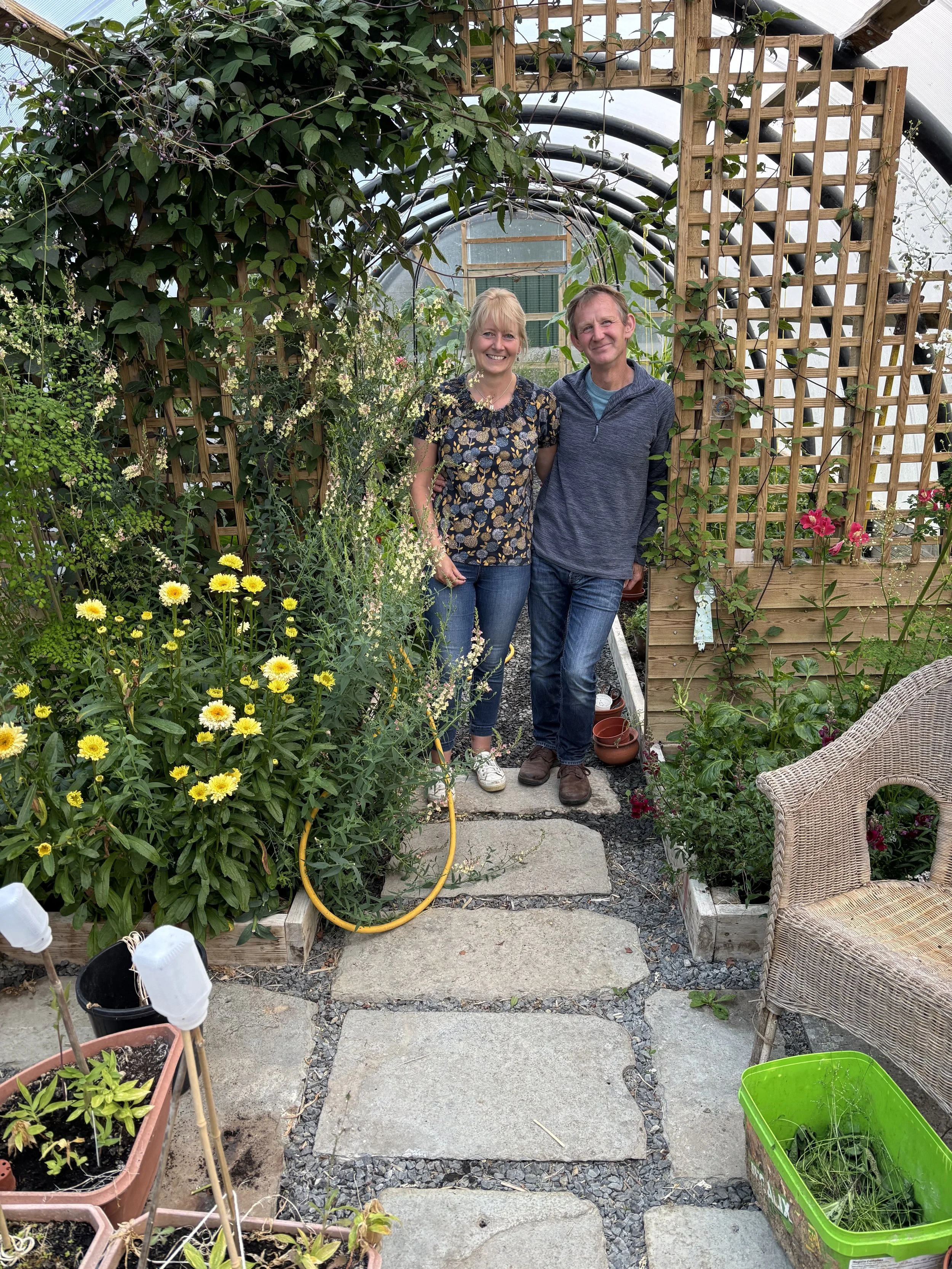
During a visit to Scotland two years ago, Jane encouraged me to go and meet Jimmy and Erika at Newburgh Handloom Weavers. It might have seemed like a simple suggestion at the time, but without it, I doubt that any of what followed would ever have occurred. That visit was the moment when my vague dream began to take on a life of its own.
Jimmy and Erika listened with genuine interest as I explained my still rather hazy idea. Jimmy showed me an old floor-standing loom, very similar to the kind that might once have been used on St Kilda. For the first time, I could begin to imagine what weaving the cloth might actually involve.
Jimmy then pointed me towards Cheryl at Hilton Hill Farm in Kingskettle, who bred Soay sheep. He also suggested that I contact a mill in Halifax to find out whether it might be possible to spin a relatively small quantity of Soay fleece and what its minimum order would be.
Once again, one person had opened a door leading directly to the next.
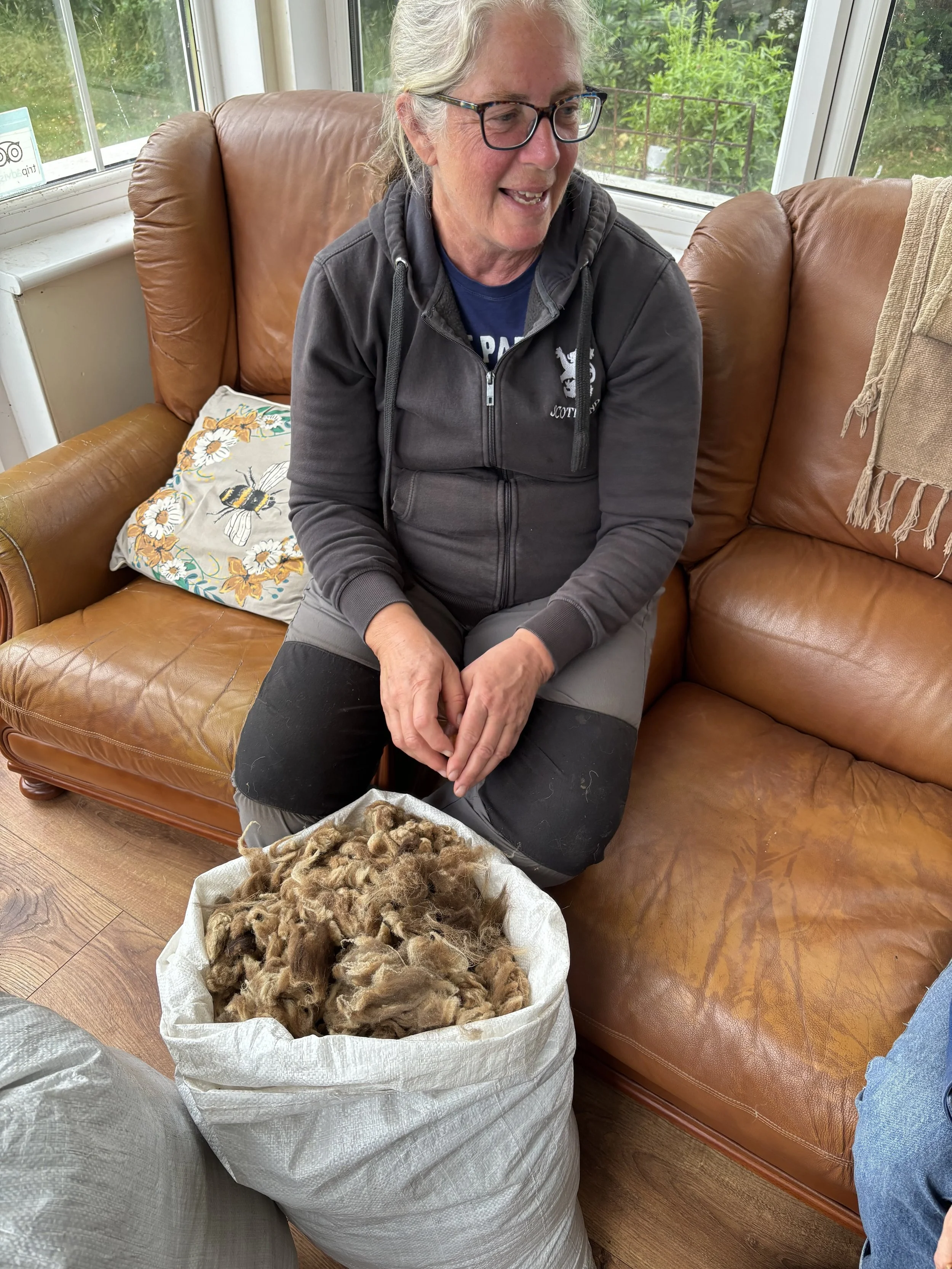
I went to see Cheryl almost immediately after leaving Jimmy and Erika. She showed me her flock of Soay sheep and listened with interest as I described the project. Although everything remained highly uncertain, she tentatively agreed that, should it ever come to fruition, she would supply me with the Soay fleeces I would need.
At that stage, I still did not know how to weave. I had no loom, no permission to stay on St Kilda and no certainty that the project would ever become possible. Nevertheless, another vital piece of the puzzle had somehow fallen into place.
Soon after returning to Australia, my friend Michele suggested that I attend the Bendigo Wool Show. There I met Paula, who recommended that I contact Ilka, describing her as the best weaving teacher in Australia. Remarkably, Ilka happened to live not far from me in Castlemaine.
When I contacted Ilka and told her about the project, she too became interested and invited me to join her next beginners’ weaving course, held over six Saturdays.
Ilka proved to be every bit the teacher Paula had described. With her guidance, I slowly learnt how to set up a loom and began acquiring the skills I would need to weave a cloth resembling the original St Kilda tweed. While the other students explored different colours and patterns, my mind was fixed almost entirely upon one thing: tweed, tweed and more tweed.
Ilka became not only my teacher but also an important mentor. She helped me build the practical foundations upon which the entire project would eventually depend.
Then, on the fifth Saturday of the course, something quite extraordinary happened.
Ilka had invited several of her former students to join us for afternoon tea and tell us what they had been doing since completing their courses. I happened to sit beside Sandra, one of those former students. During our conversation, I told her about my dream of returning to St Kilda to weave the island’s tweed.
Sandra then told me that her ancestors had come from St Kilda.
It was one of those remarkable moments that have occurred repeatedly throughout this journey. Of all the people I might have sat beside that afternoon, I had found myself next to someone with a direct ancestral connection to the island at the very heart of my project.
Sandra went on to lend me several books about St Kilda, helping me deepen my knowledge of its people, history and weaving practices. With enormous thoughtfulness, she had highlighted the passages relating specifically to weaving. Later, when I submitted my proposal to the National Trust for Scotland, she also wrote a letter in support of the project.
Meeting Sandra gave me an enormous sense of encouragement. Until then, I had been preparing for something that might never happen, simply walking through each door as it opened. That extraordinary encounter strengthened my growing feeling that perhaps this project really was meant to take place.
Another essential person was Shalome, from whom I purchased my floor loom. She generously included all the supporting equipment I would need, together with The Handweaver’s Pattern Book by Anne Dixon. During the steep learning curve that followed, that book became an invaluable guide as I experimented, made mistakes and gradually developed my weaving skills.
As the idea became more substantial, it was time to put together a formal proposal to the National Trust for Scotland. My close friends Christian and Jimmy took my collection of ideas, hopes and research and transformed them into an exceptionally professional submission. It asked for permission for me to live on St Kilda in 2027 and attempt to bring its tweed back into existence for the first time in almost a century.
Their ability to present the project clearly and convincingly was crucial. An idea that had once existed mainly inside my head had finally been expressed in a form that others could understand and take seriously.
Christian, in particular, has remained one of the most important supporters and mentors throughout the entire two-year process. He has been there to offer advice, encouragement and practical assistance as the project has grown from an improbable dream into something that will now actually happen.
Cheryl then re-entered the story by introducing me to Jane Cooper, author of The Lost Flock. Jane has devoted herself to helping save the exceptionally rare Boreray sheep from extinction. Through her, I began to understand not only the importance of Boreray wool to the project but also the opportunity to draw attention to the precarious future of this remarkable breed.
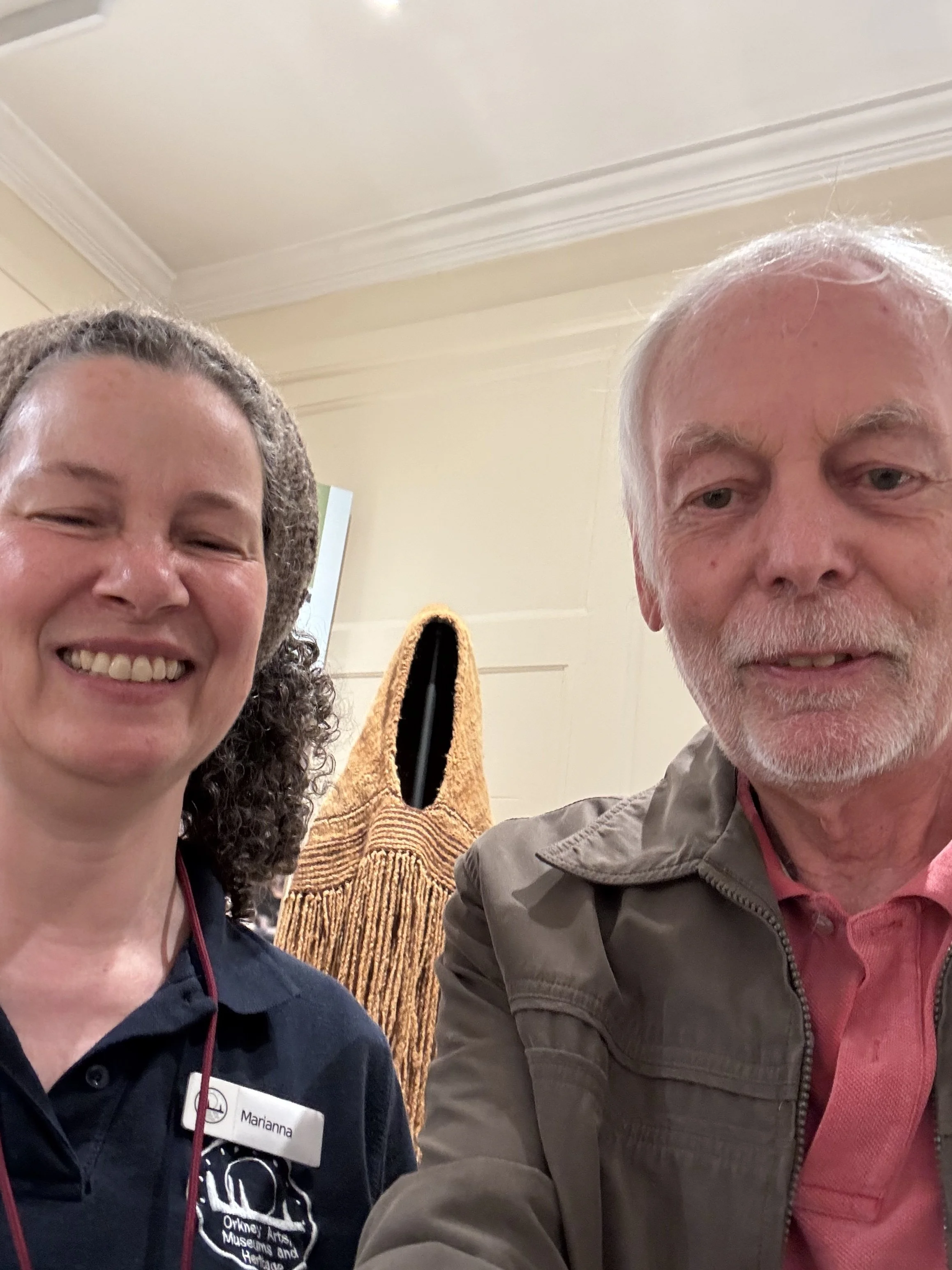
Jane, in turn, put me in contact with Marianna at the Orkney Museum in Kirkwall. Marianna then led me to Hazel and Norman, who breed Boreray sheep at Airy Farm on the Orkney island of Stronsay.
Hazel and Norman agreed to supply me with forty kilograms of Boreray fleeces. Another part of the project that had once seemed almost impossible had become a reality, all because one introduction had led to another.
And then there is Cecilia.
Remarkably, Cecilia’s path into the project began with Jane Cooper too—but by an entirely separate and equally improbable route.
During a chance visit to Waterstones in Sauchiehall Street, Glasgow, Jane’s book, The Lost Flock, seemed to leap from the shelf at her. Cecilia bought it and devoured it in less than a week.
So inspired was she by what she had read that she did something she had never before felt moved to do with any other author: she contacted Jane through the form on her website and told her about her own research into the weaving crafts of Scotland.
Jane replied, mentioning my project and including a link to its website.
Cecilia followed that link—and the rest, as she later wrote to me, is history.
What makes this connection particularly extraordinary is that Jane Cooper had already become an important part of my own journey. Through Cheryl, I had been led to Jane, whose work helped me understand the significance of the Boreray sheep and eventually led me, through Marianna, to Hazel and Norman on Stronsay.
At almost the same time, and entirely independently, Jane’s book had found its way into Cecilia’s hands in a Glasgow bookshop. Jane then pointed Cecilia towards me.
Two separate paths—mine beginning in Australia and Cecilia’s in Scotland—had converged through the same person.
Cecilia is an expert spinner and weaver from the United States who now lives in Glasgow with her husband while completing her PhD on the weaving crafts of Scotland. She will accompany me to St Kilda in 2027, spinning the traditional Soay and Boreray wool while I weave.
Her contribution, however, began long before we received permission for her to join me on the island.
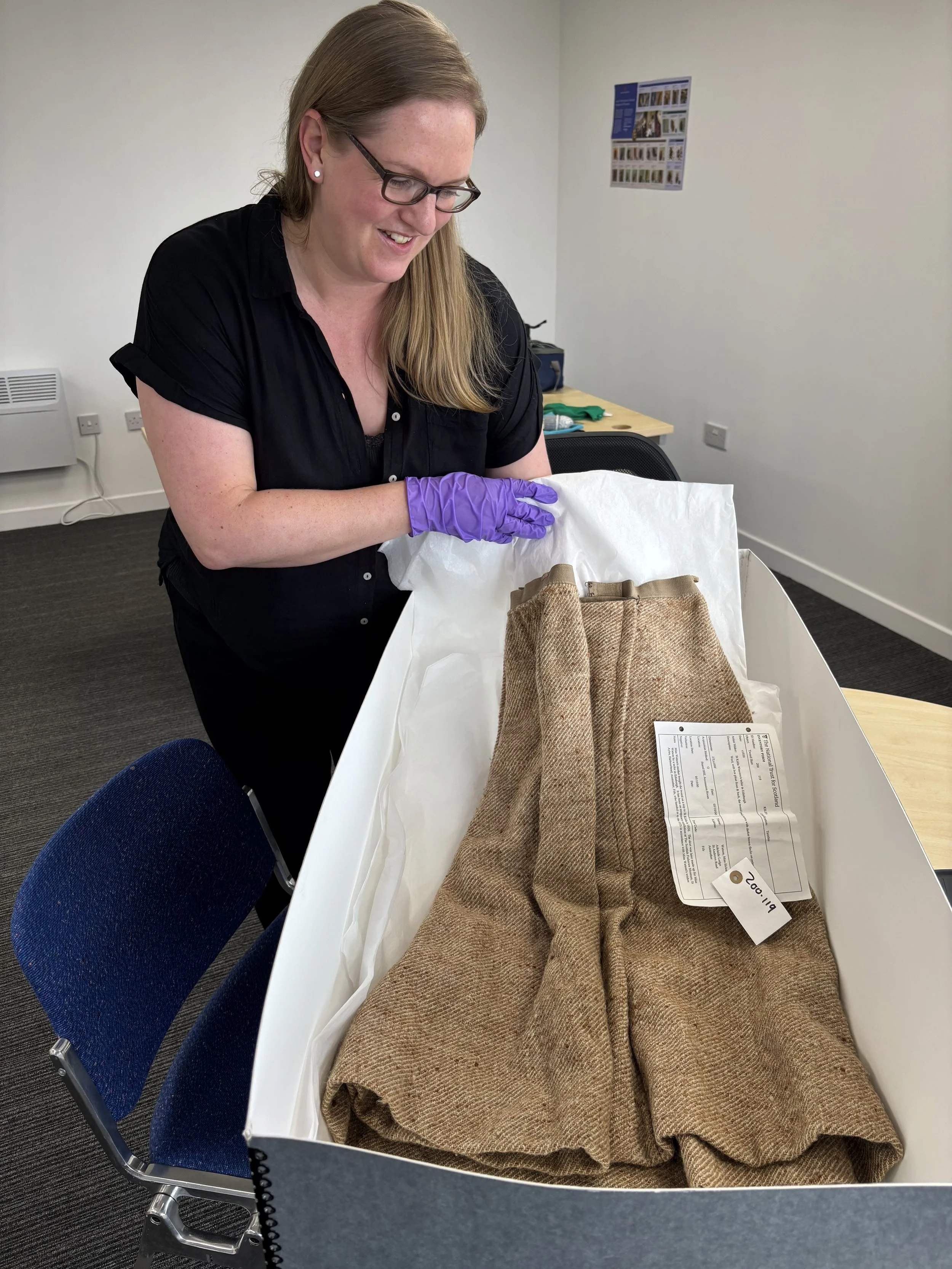
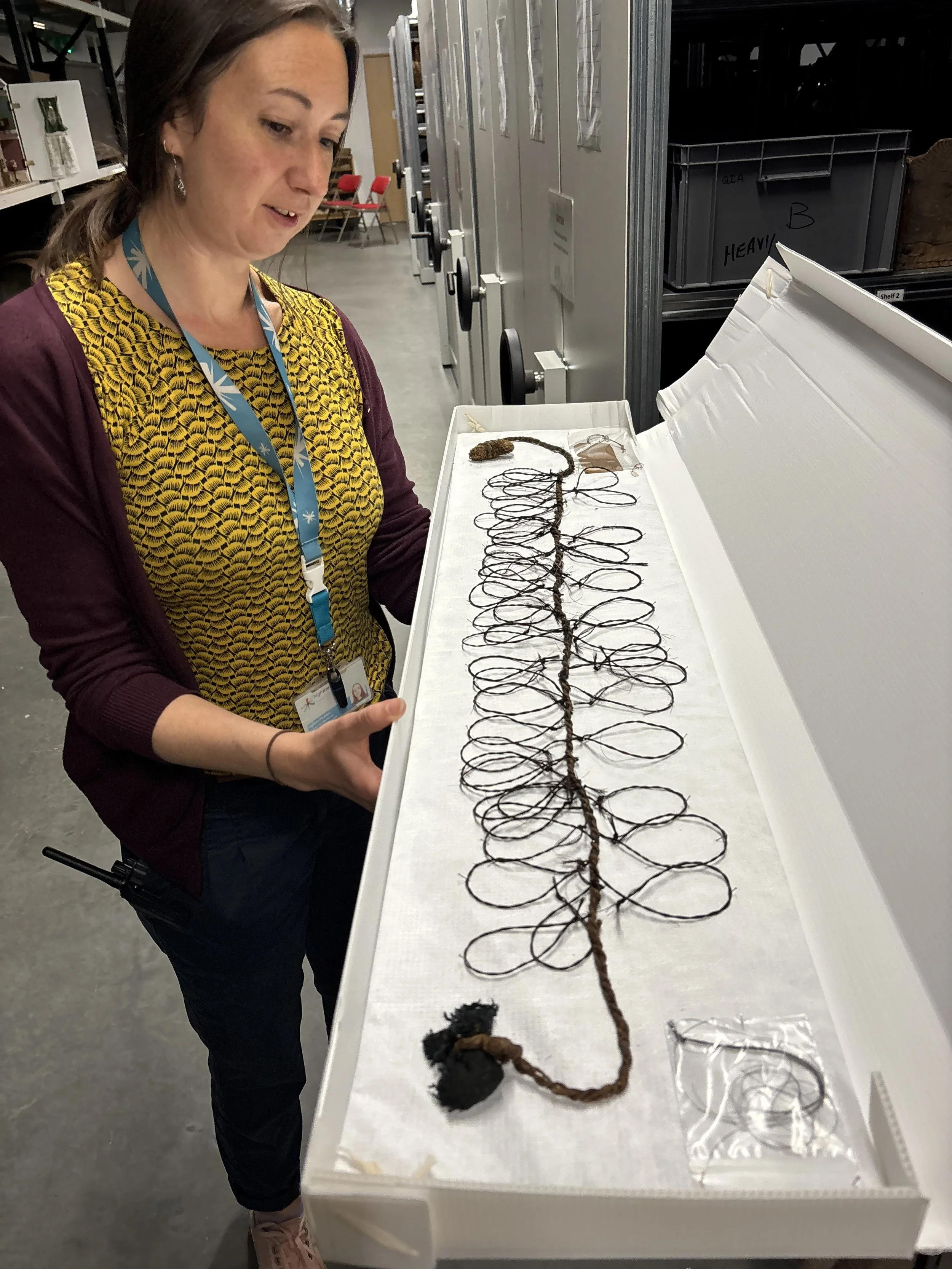
While I have been living on the other side of the world, Cecilia has become my eyes and ears in Scotland. She has systematically sought out and visited institutions holding St Kildan artefacts, particularly those with surviving pieces of original St Kilda tweed. Her knowledge of spinning and weaving has enabled her to examine those objects in ways that would not be possible from photographs or written descriptions alone.
She has looked closely at the fibres, the yarn, the twist, the structure and the finish of the cloth, gathering information that can come only from seeing and examining the surviving pieces in person. Her generosity in sharing her knowledge and expertise has added immeasurably to our understanding of how the original tweed may have been made.
On St Kilda, Cecilia will prepare and spin the wool as I weave, bringing another historically important part of the process back to the island. Together, we hope to produce one length using machine-spun yarn and another using yarn prepared and spun by hand.
When I consider the chain of events that brought us together, it seems almost impossible that it could have been planned. A book happened to catch Cecilia’s eye during a chance visit to Waterstones. She felt an entirely uncharacteristic impulse to write to its author. Jane Cooper responded and mentioned a project taking shape on the other side of the world.
From that sequence of seemingly small events came the partnership that will return spinning and weaving to St Kilda in 2027.
Finally, none of this could take place without the approval and trust of the National Trust for Scotland.
I am profoundly grateful to its Chief Executive, Philip Long OBE FRSE, and to Susan Bain, Western Isles Manager and Property Manager for St Kilda. By granting permission for Cecilia and me to live on the island for four weeks in 2027, they have enabled a dream first imagined sixteen years ago to become a reality.
Their decision represents far more than permission to stay on St Kilda. It has made possible the return of wool preparation, spinning and weaving to an island where these skills were once woven into the fabric of everyday life.
When I look back, what strikes me most is the apparent improbability of it all.
If my friend Jane had not suggested that I visit Jimmy and Erika, I might never have met Cheryl. Without Cheryl, I might never have found Jane Cooper. Without Jane Cooper and Marianna, I might never have found Hazel and Norman and the Boreray fleeces.
Yet Jane Cooper’s place in the story was more remarkable still. While she was helping to lead me towards the wool I would need, her book had independently found its way into Cecilia’s hands during a chance visit to a Glasgow bookshop. Had Cecilia not felt compelled to contact an author for the first time in her life—and had Jane not replied by pointing her towards my project—Cecilia and I might never have found one another.
If Michele had not suggested the Bendigo Wool Show, I might never have met Paula, who led me to Ilka. Without Ilka, I might never have learnt to weave—or happened to sit beside Sandra on that fifth Saturday.
Each person played a part, sometimes without knowing it. A suggestion made in passing, a book noticed on a shelf, an unexpected message to its author, an introduction, a passage highlighted, a fleece promised, a lesson patiently given or a letter written in support became another link in the chain.
Perhaps that is what has made this journey feel so extraordinary. I could never have planned it from the beginning because, at the beginning, I did not even know what would be needed. I could only follow each new lead, walk through each door as it opened and place my trust in the people who appeared along the way.
What began as one person’s unlikely dream has gradually become a shared undertaking, sustained by the knowledge, generosity, encouragement and belief of many.
When Cecilia and I finally arrive on St Kilda in 2027, we will not be going there alone.
We will carry with us the contribution of every person who helped make the journey possible.
The project may have begun with my dream, but it has been carried forward by the knowledge, generosity, encouragement and belief of many people.
They are the people who made it possible.